

Sciatica
Dr. Rajesh Parasnis - Best Spine Surgeon I Sciatica Specialist
Dr. Rajesh Parasnis is a highly esteemed and accomplished Spine Surgeon & Sciatica Specialist in Pune, with over two decades of unparalleled expertise in diagnosing and treating complex spinal conditions.
Sciatica Treatment in Pune
Sciatica is not a disease by itself, but a term used to describe pain that follows the path of the sciatic nerve. Many people first notice sciatica as a sharp or burning pain that starts in the lower back or buttock and travels down one leg. For some, it is an occasional discomfort; for others, it can significantly interfere with daily activities such as walking, sitting, or sleeping.
This page explains what sciatica is, why it occurs, how it feels, and how it is commonly managed, helping you better understand the condition.
Diagnosis involves:
- Detailed history of symptoms
- Physical examination focusing on nerve function and movement

What Is the Sciatic Nerve?
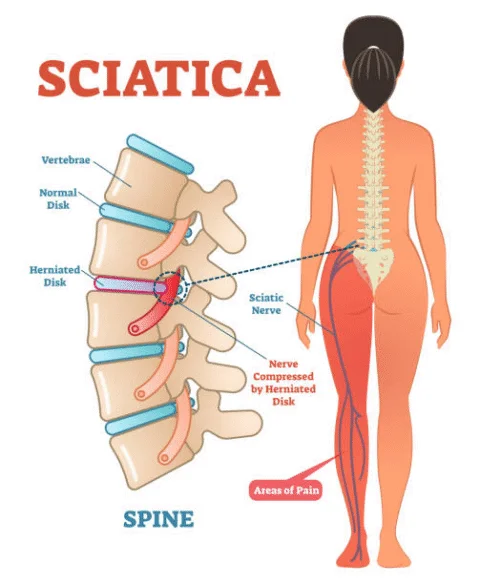
The sciatic nerve is the largest nerve in the body. It begins in the lower spine, passes through the buttock, and travels down the back of each leg to the foot. It controls muscles in the leg and provides sensation to the skin of the thigh, leg, and foot.
Sciatica occurs when this nerve is irritated, inflamed, or compressed at any point along its path.
Common Causes of Sciatica
Slipped or Herniated Disc
One of the most common causes. When a disc in the lower spine bulges or ruptures, it can press on the sciatic nerve, causing pain that travels down the leg.
Lumbar Spinal Stenosis
Narrowing of the spinal canal in the lower back can compress nerve roots, especially during standing or walking.
Degenerative Changes of the Spine
Age-related wear and tear, such as disc degeneration or arthritis of the spine, may irritate nerve roots.
Spondylolisthesis
This occurs when one vertebra slips forward over another, narrowing the space for nerves.
Muscle-Related Compression
Tight or inflamed muscles in the buttock region, such as the piriformis muscle, can compress the sciatic nerve (piriformis syndrome).
Injury or Trauma
Falls, accidents, or sudden heavy lifting may trigger sciatic nerve irritation.
Call For More Info
+91. 85549 90487
Let’s Request a Schedule For Consultation
Common Symptoms of Sciatica
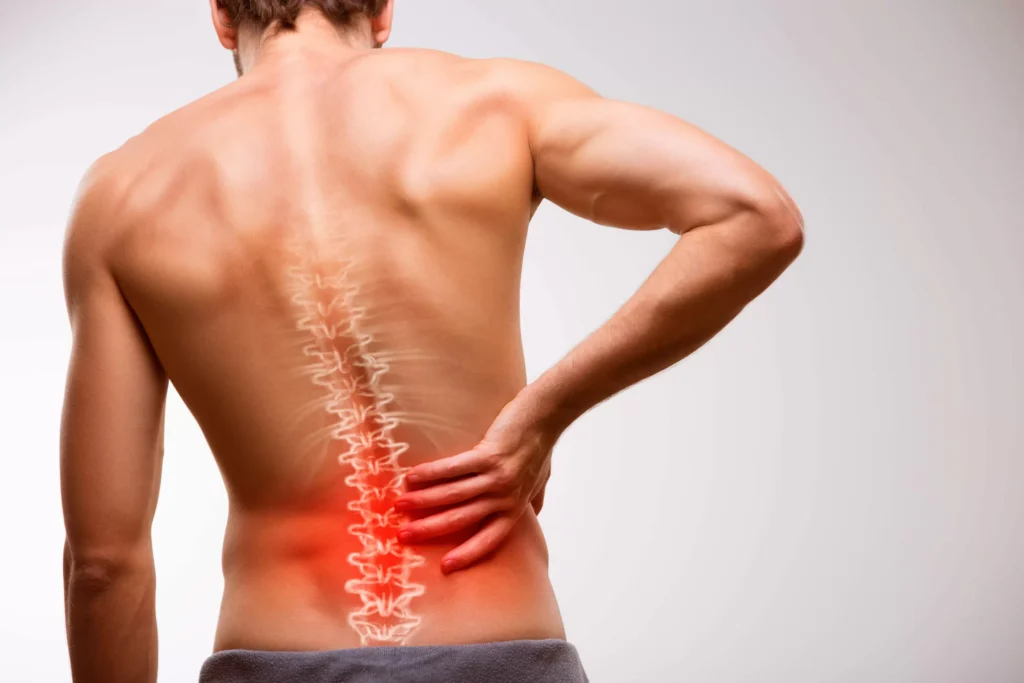
Symptoms include pain from the lower back through the buttock and leg, along with numbness or weakness. Treatments include rest, exercise, physical therapy, and sometimes injections or surgery. It generally lasts a few weeks to a few months. Sciatica usually affects one side of the body and may include:
- Pain radiating from the lower back or buttock to the leg
- Sharp, shooting, or burning pain
- Tingling or numbness in the leg or foot
- Muscle weakness in the affected leg
- Pain that worsens with sitting, coughing, or bending
The intensity can range from mild discomfort to severe pain.
Common Approaches to Managing Sciatica
Conservative (Non-Surgical) Care
Most people improve with:
- Short periods of rest and activity modification
- Pain-relieving or anti-inflammatory medications
- Physiotherapy and guided stretching exercises
- Posture correction
- Heat or cold therapy
Interventional Pain Management
In some cases:
- Epidural steroid injections
- Nerve root blocks
These aim to reduce nerve inflammation and pain.
Surgical Management
Surgery is considered only when:
- Pain persists despite adequate conservative treatment
- Progressive nerve weakness develops
- There is significant nerve compression
- Emergency symptoms such as bowel or bladder dysfunction occur
Final Note
Sciatica can be painful and distressing, but it is often manageable with timely care and appropriate sciatica treatment in pune. Understanding the condition helps in recognizing early symptoms and seeking the right guidance.
If sciatica symptoms persist or worsen, consulting Dr. Rajesh Parasnis, Spine Specialist in Pune a qualified healthcare professional is important for accurate diagnosis, proper management on Sciatica.

Trustindex verifies that the original source of the review is Google. Posted on GoogleTrustindex verifies that the original source of the review is Google. Posted on GoogleTrustindex verifies that the original source of the review is Google. GoodPosted on GoogleTrustindex verifies that the original source of the review is Google. Posted on GoogleTrustindex verifies that the original source of the review is Google.