
Slip Disc
Dr. Rajesh Parasnis - Best Spine Surgeon I Slipped Disc Specialist in Pune
Dr. Rajesh Parasnis is a highly esteemed and accomplished Slipped Disc Specialist in Pune, with over two decades of unparalleled expertise in diagnosing and treating complex spinal conditions.
Slip Disc Treatment in Pune
A slip disc, also known as a herniated disc, often develops silently and gradually. Many people first notice it as persistent back or neck pain, stiffness, or pain that travels into the arm or leg. Because spinal discs play a key role in movement and shock absorption, even small changes in their structure can affect nearby nerves and cause significant discomfort.
This page explains what a slip disc is, why it happens, how it affects the body, and the common ways it is managed, helping you better understand the condition.
What Is a Slip Disc?
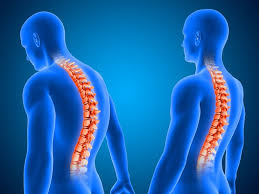
The spine is made up of bones called vertebrae, with soft, cushion-like discs between them. Each disc has:
- A soft inner core (nucleus pulposus)
- A tough outer layer (annulus fibrosus)
A slip disc occurs when the inner core pushes out through a weakened or torn outer layer. This bulging or herniation can press on nearby nerves, leading to pain and other symptoms.
A slip disc can occur in:
- Neck (cervical spine)
- Upper or mid-back (thoracic spine) – less common
- Lower back (lumbar spine) – most common
Common Symptoms of a Slip Disc
General Symptoms
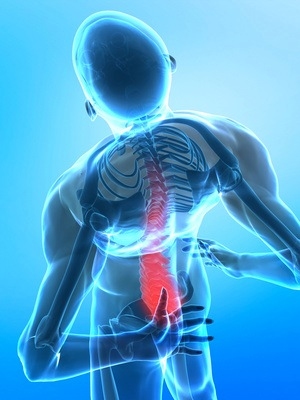
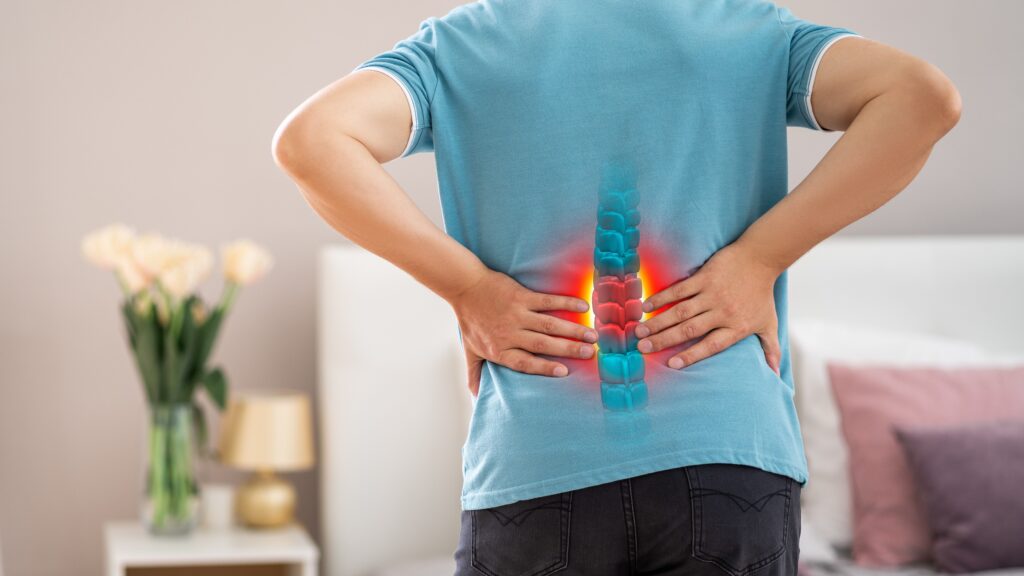
- Localized back or neck pain
- Stiffness and reduced movement
Nerve-Related Symptoms
When a nerve is compressed, symptoms may include:
- Pain radiating to the arm or leg
- Tingling or numbness
- Muscle weakness
- Burning or shooting pain
Lumbar Slip Disc (Lower Back)
- Pain radiating down the leg (sciatica)
- Difficulty standing or walking for long
- Pain worsening with sitting or bending
Cervical Slip Disc (Neck)
- Pain radiating to shoulder, arm, or hand
- Tingling or numbness in fingers
- Weak grip or arm weakness
Call For More Info
+91. 85549 90487
Let’s Request a Schedule For Consultation
How Is a Slip Disc Diagnosed?
Diagnosis includes:
- Detailed medical history
- Physical examination focusing on nerve function
Imaging tests may include:
- MRI scan – most accurate for discs and nerves
- X-ray – to assess spinal alignment
- CT scan – in selected cases
Slip Disc Treatment & Management
Conservative (Non-Surgical) Management
Most people improve without surgery through:
- Short-term rest and activity modification
- Pain-relieving or anti-inflammatory medications
- Physiotherapy and guided exercises
- Posture correction and ergonomic changes
- Heat or cold therapy
Interventional Pain Management
In selected cases:
- Epidural steroid injections
- Nerve root blocks
These aim to reduce inflammation and nerve irritation.
Surgical Management
Surgery is considered only when:
- Pain persists despite adequate conservative care
- Progressive nerve weakness is present
- There is significant nerve compression
- Emergency symptoms such as bladder or bowel issues occur
Final Note
A slip disc can be painful and limiting, but with early recognition and proper management, most individuals experience significant improvement. Understanding the condition empowers you to take timely action and prevent long-term complications.
If symptoms are persistent or concerning, consult Dr. Rajesh Parasnis, Slipped Disc Specialist in Pune a qualified healthcare professional for accurate evaluation and guidance.

Trustindex verifies that the original source of the review is Google. Posted on GoogleTrustindex verifies that the original source of the review is Google. Posted on GoogleTrustindex verifies that the original source of the review is Google. GoodPosted on GoogleTrustindex verifies that the original source of the review is Google. Posted on GoogleTrustindex verifies that the original source of the review is Google.