

Spinal Infections
Dr. Rajesh Parasnis - Best Spine Surgeon I Spinal Infection Specialist
Dr. Rajesh Parasnis is a highly esteemed and accomplished Spine Surgeon, with over two decades of unparalleled expertise in diagnosing and treating complex spinal conditions.
Spinal Infections Treatment in Pune
The spine plays a crucial role in supporting the body and protecting the spinal cord. Infections affecting the spine, although less common, can be serious if not identified and treated early. These infections may develop gradually and can lead to pain, reduced mobility, and in some cases, neurological complications.
This page explains what spinal infections are, how they occur, what symptoms to look for, and how they are commonly evaluated and managed.

What Is a Spinal Infection?
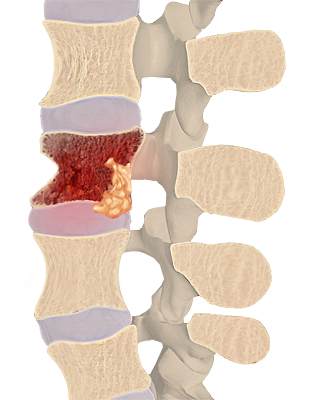
A spinal infection occurs when bacteria or other microorganisms affect the structures of the spine. These infections can involve different parts of the spine, including:
- Vertebrae (bones of the spine)
- Intervertebral discs (disc space between bones)
- Spinal canal or surrounding tissues
Common types of spinal infections include:
- Discitis (infection of the disc space)
- Osteomyelitis (infection of the vertebral bones)
- Epidural abscess (infection around the spinal cord)
Common Causes of Spinal Infections
Bacterial Infection
The most common cause of spinal infections is bacteria entering the bloodstream and spreading to the spine.
- Staphylococcus aureus is a common organism
- May occur after infections in other parts of the body
Post-Surgical or Medical Procedures
Infections can sometimes occur after:
- Spine surgery
- Injections or invasive procedures
- Hospital-acquired infections
Weakened Immune System
People with reduced immunity are at higher risk, including:
- Diabetes
- Chronic illnesses
- Long-term steroid use
- Elderly individuals
Tuberculosis (Spinal TB)
In some regions, tuberculosis can affect the spine (also known as Pott’s spine), leading to gradual bone destruction and deformity.
Call For More Info
+91. 85549 90487
Let’s Request a Schedule For Consultation
Common Symptoms of Spinal Infections
Symptoms may develop gradually and vary depending on severity:
- Persistent back or neck pain
- Pain that does not improve with rest
- Fever or chills
- Fatigue or weakness
- Local tenderness over the spine
- Reduced mobility

Common Approaches to Managing Spinal Infections
Medical (Non-Surgical) Management
Many spinal infections can be treated with:
- Antibiotics or anti-tubercular medications
- Pain management
- Rest and activity modification
- Bracing for support (if required)
Treatment duration may be prolonged and requires close monitoring.
Surgical Management
Surgery may be required if:
- There is spinal instability
- Infection does not respond to medications
- There is abscess formation
- Nerve or spinal cord compression is present
- Deformity develops
Surgery may involve cleaning the infection, relieving pressure on nerves, and stabilizing the spine.
Recovery and Rehabilitation
Recovery depends on the severity of infection and treatment approach.
Rehabilitation may include:
- Gradual mobilization
- Physiotherapy and strengthening exercises
- Posture correction
- Nutritional support for healing
Final Note
Spinal infections can be serious but are treatable when identified early. Prompt diagnosis and appropriate Spinal Infection treatment in Pune are essential to prevent complications and preserve spinal function.
If you experience persistent back pain, fever, or neurological symptoms, seek medical advice for timely evaluation and care, consult Dr. Rajesh Parasnis, Spine Specialist in Pune for spinal infection and spinal TB treatment .

Trustindex verifies that the original source of the review is Google. Posted on GoogleTrustindex verifies that the original source of the review is Google. Posted on GoogleTrustindex verifies that the original source of the review is Google. GoodPosted on GoogleTrustindex verifies that the original source of the review is Google. Posted on GoogleTrustindex verifies that the original source of the review is Google.