
Spondylosis
Dr. Rajesh Parasnis - Best Spine Surgeon I Spondylosis Specialist
Dr. Rajesh Parasnis is a highly esteemed and accomplished Spondylosis Specialist in Pune, with over two decades of unparalleled expertise in diagnosing and treating complex spinal conditions.
Spondylosis Treatment in Pune
As we grow older, the spine quietly adapts to years of movement, posture, and daily stress. For many people, these natural changes begin to show up as stiffness, reduced flexibility, or persistent back or neck pain. Spondylosis is the medical term used to describe these age-related degenerative changes in the spine. While the word may sound concerning, spondylosis is very common and often manageable with the right understanding and care.
This page explains what spondylosis is, why it occurs, how it affects the body, and how it is commonly managed.
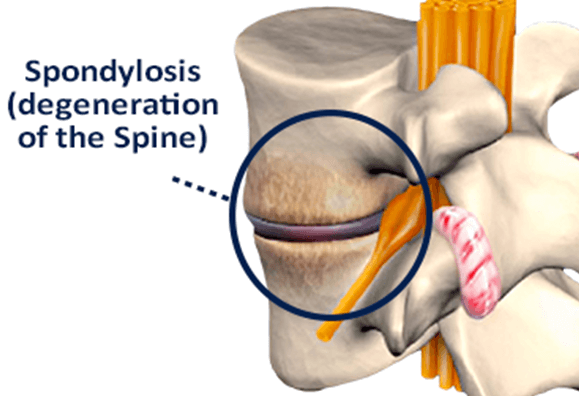
What Is Spondylosis?
Spondylosis refers to degeneration of the spine involving:
- Intervertebral discs
- Vertebral bones
- Facet joints
- Ligaments
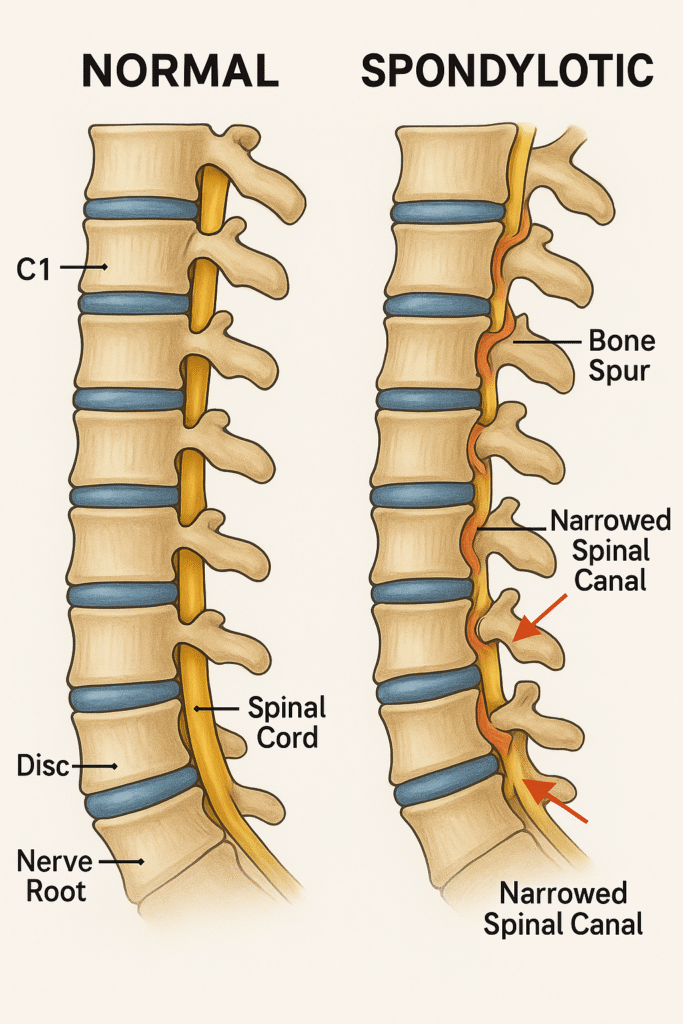
Over time, discs lose moisture and height, joints undergo wear and tear, and small bony growths (osteophytes) may form. These changes can reduce flexibility and, in some cases, irritate nearby nerves.
Spondylosis can affect different regions of the spine:
- Cervical spondylosis – neck
- Lumbar spondylosis – lower back
- Thoracic spondylosis – mid-back (less common)
Why Does Spondylosis Develop?
Natural Aging
The most common reason. With age, spinal discs gradually dry out and become less elastic, making them more prone to wear.
Repetitive Stress and Daily Use
- Long years of sitting, bending, and lifting
- Poor posture over time
- Physically demanding work
Lifestyle Factors
- Sedentary habits
- Excess body weight
- Lack of regular exercise
Genetic Predisposition
Some individuals may develop spinal degeneration earlier due to hereditary factors.
Call For More Info
+91. 85549 90487
Let’s Request a Schedule For Consultation
Common Symptoms of Spondylosis
General Symptoms
- Chronic neck or back pain
- Stiffness, especially in the morning or after rest
- Reduced flexibility
Cervical Spondylosis Symptoms
- Neck pain and stiffness
- Headaches starting at the back of the head
- Pain radiating to the shoulder or arm
- Tingling or numbness in hands
Lumbar Spondylosis Symptoms
- Lower back pain
- Pain radiating to buttocks or thighs
- Difficulty standing or walking for long periods
- Pain relief while sitting or bending forward
Nerve-Related Symptoms
If nerves are compressed:
- Shooting pain
- Numbness or tingling
- Muscle weakness
Spondylosis Treatment & Managing Approaches
Conservative (Non-Surgical) Care
Most people benefit from:
- Pain-relieving or anti-inflammatory medications
- Physiotherapy focusing on flexibility and strengthening
- Posture correction and ergonomic guidance
- Heat therapy to reduce muscle stiffness
- Activity modification during pain flare-ups
Lifestyle and Long-Term Care
- Regular low-impact exercise
- Stretching and strengthening routines
- Maintaining a healthy body weight
- Avoiding prolonged static postures
Interventional Treatments
In some cases:
- Facet joint injections
- Nerve blocks
- Epidural injections
These may help control pain when conservative methods are insufficient.
Surgical Management
Surgery is considered only when:
- There is significant nerve or spinal cord compression
- Symptoms persist despite adequate non-surgical treatment
- Progressive weakness or neurological deficits develop
Living With Spondylosis
Spondylosis is often a long-term condition, but it does not mean constant pain or disability. Many people live active, comfortable lives by understanding their condition and adopting supportive habits. Regular movement, posture awareness, and timely care play a key role in maintaining spine health.
Preventing Progression and Flare-Ups
While spondylosis cannot be completely prevented, progression may be slowed by:
- Staying physically active
- Maintaining proper posture
- Using correct lifting techniques
- Avoiding prolonged inactivity
Final Note
Spondylosis is a common part of aging, but persistent pain or nerve-related symptoms should not be ignored. Early evaluation and appropriate care can help manage symptoms effectively and maintain quality of life.
If symptoms are ongoing or concerning, consult Dr. Rajesh Parasnis, Spondylosis Specialist in Pune, a qualified healthcare professional for accurate assessment and guidance.

Trustindex verifies that the original source of the review is Google. Posted on GoogleTrustindex verifies that the original source of the review is Google. Posted on GoogleTrustindex verifies that the original source of the review is Google. GoodPosted on GoogleTrustindex verifies that the original source of the review is Google. Posted on GoogleTrustindex verifies that the original source of the review is Google.