
Scoliosis Surgery
Dr. Rajesh Parasnis - Best Spine Surgeon I Scoliosis Surgery Expert
Dr. Rajesh Parasnis is a highly esteemed and accomplished Spine Surgeon, with over two decades of unparalleled expertise in diagnosing and treating complex spinal conditions.
Scoliosis Surgery: Correcting Spinal Curvature for Better Alignment
Scoliosis surgery is a specialized procedure performed to correct abnormal curvature of the spine. It is recommended in moderate to severe cases where the spinal curve progresses, causes pain, or affects posture and overall function.
The goal of surgery is to straighten and stabilize the spine, prevent further progression, and improve quality of life.
This page explains what scoliosis surgery is, its causes, symptoms, and common management approaches.
What Is Scoliosis Surgery?
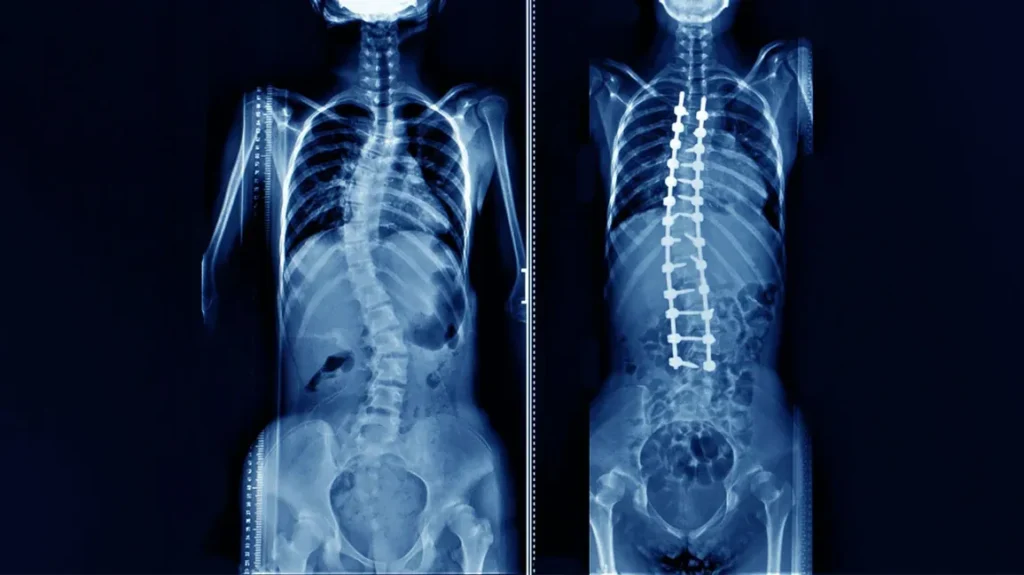
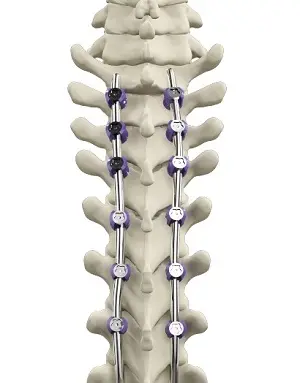
Scoliosis surgery typically involves spinal fusion and the use of rods, screws, or other implants to correct and stabilize the spine. The procedure helps align the spine into a more natural position and prevents worsening of the curvature.
Advanced techniques, including minimally invasive and navigation-assisted methods, may be used for better precision and recovery.
Common Causes and Risk Factors
Idiopathic Scoliosis
The most common type, often developing during adolescence without a known cause
Congenital Scoliosis
Spinal deformity present at birth due to abnormal vertebral development
Neuromuscular Conditions
Conditions such as cerebral palsy or muscular dystrophy affecting spinal alignment
Degenerative Scoliosis
Age-related wear and tear leading to curvature in adults
Progressive Spinal Curvature
Worsening curvature despite non-surgical treatment
Call For More Info
+91. 85549 90487
Let’s Request a Schedule For Consultation
Common Symptoms Indicating Need for Scoliosis Surgery
Visible Spine Changes
Uneven shoulders or hips
Abnormal spinal curvature
Leaning to one side
Pain Symptoms
Back pain, especially in adults
Discomfort during prolonged sitting or standing
Functional Limitations
Reduced flexibility and movement
Difficulty in daily activities
Severe Symptoms
Breathing difficulty (in severe cases)
Progressive deformity affecting overall health
Common Approaches to Managing Scoliosis Surgery Conditions
Conservative Management (Before Surgery)
Observation and regular monitoring
Bracing (in growing children)
Physiotherapy and posture correction
Surgical Management (Scoliosis Surgery)
Spinal fusion to stabilize the spine
Use of rods, screws, and implants for correction
Correction of spinal alignment and deformity
Minimally invasive or navigation-assisted techniques in selected cases
Post-Surgical Rehabilitation
Physiotherapy to restore strength and mobility
Gradual return to normal activities
Pain management and recovery care
Monitoring and Follow-Up
Regular clinical evaluations
Imaging to assess spinal alignment and healing
Long-term follow-up for maintaining correction
Lifestyle Modifications
Maintaining proper posture
Avoiding excessive strain on the spine
Staying physically active within recommended limits
Living Well After Scoliosis Surgery
Following rehabilitation and medical advice
Maintaining spinal strength and flexibility
Regular check-ups with your doctor
Adopting a healthy lifestyle
Final Note
Scoliosis surgery is an effective solution for correcting significant spinal curvature and preventing further progression. With advanced surgical techniques and proper rehabilitation, patients can achieve improved alignment, reduced symptoms, and better quality of life.
If you or your child shows signs of scoliosis, early consultation with a spine specialist is essential for timely diagnosis and appropriate treatment planning.

Trustindex verifies that the original source of the review is Google. Posted on GoogleTrustindex verifies that the original source of the review is Google. Posted on GoogleTrustindex verifies that the original source of the review is Google. GoodPosted on GoogleTrustindex verifies that the original source of the review is Google. Posted on GoogleTrustindex verifies that the original source of the review is Google.