
Cervical Foraminotomy
Dr. Rajesh Parasnis - Best Spine Surgeon I Cervical Spine Surgery Expert
Dr. Rajesh Parasnis is a highly esteemed and accomplished Spine Surgeon, with over two decades of unparalleled expertise in diagnosing and treating complex spinal conditions.
Cervical Foraminotomy: Relieving Nerve Compression in the Neck
Cervical foraminotomy is a minimally invasive spine surgery performed to relieve pressure on the spinal nerves in the cervical (neck) region. It is commonly recommended when nerves are compressed as they exit the spinal canal through small openings called foramina.
This procedure helps reduce pain, numbness, and weakness in the neck, shoulders, and arms while preserving the natural motion of the spine.
This page explains what cervical foraminotomy is, its causes, symptoms, and how it is commonly evaluated and managed.
What Is Cervical Foraminotomy?
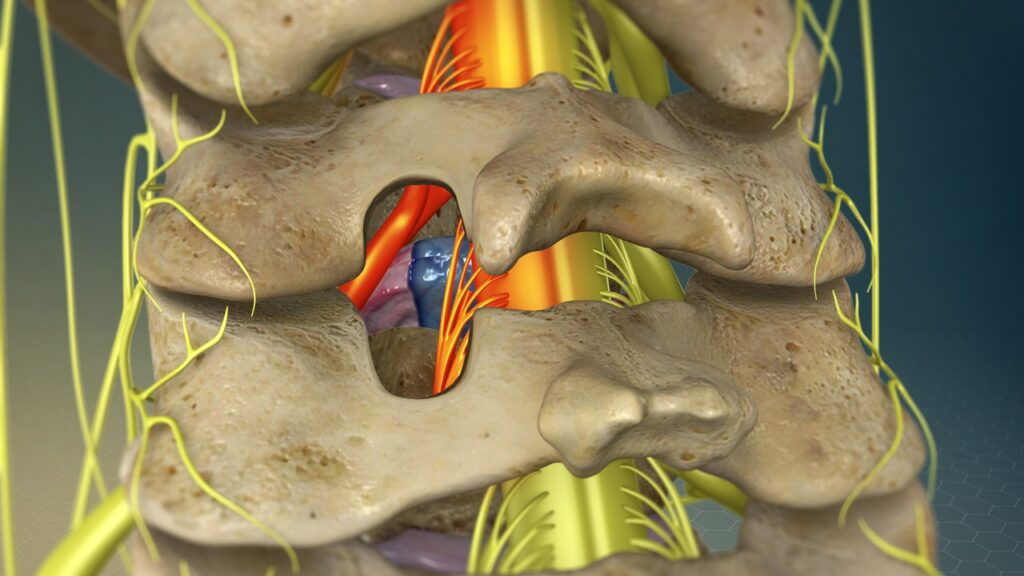
Cervical foraminotomy is a surgical procedure that involves widening the neural foramen—the passage through which spinal nerves exit the spine. By removing small portions of bone, disc material, or thickened tissue, the spine surgeon relieves pressure on the affected nerve.
Unlike fusion surgeries, this procedure typically preserves spinal movement and does not require joining the vertebrae together.
Common Causes and Risk Factors
Herniated Disc
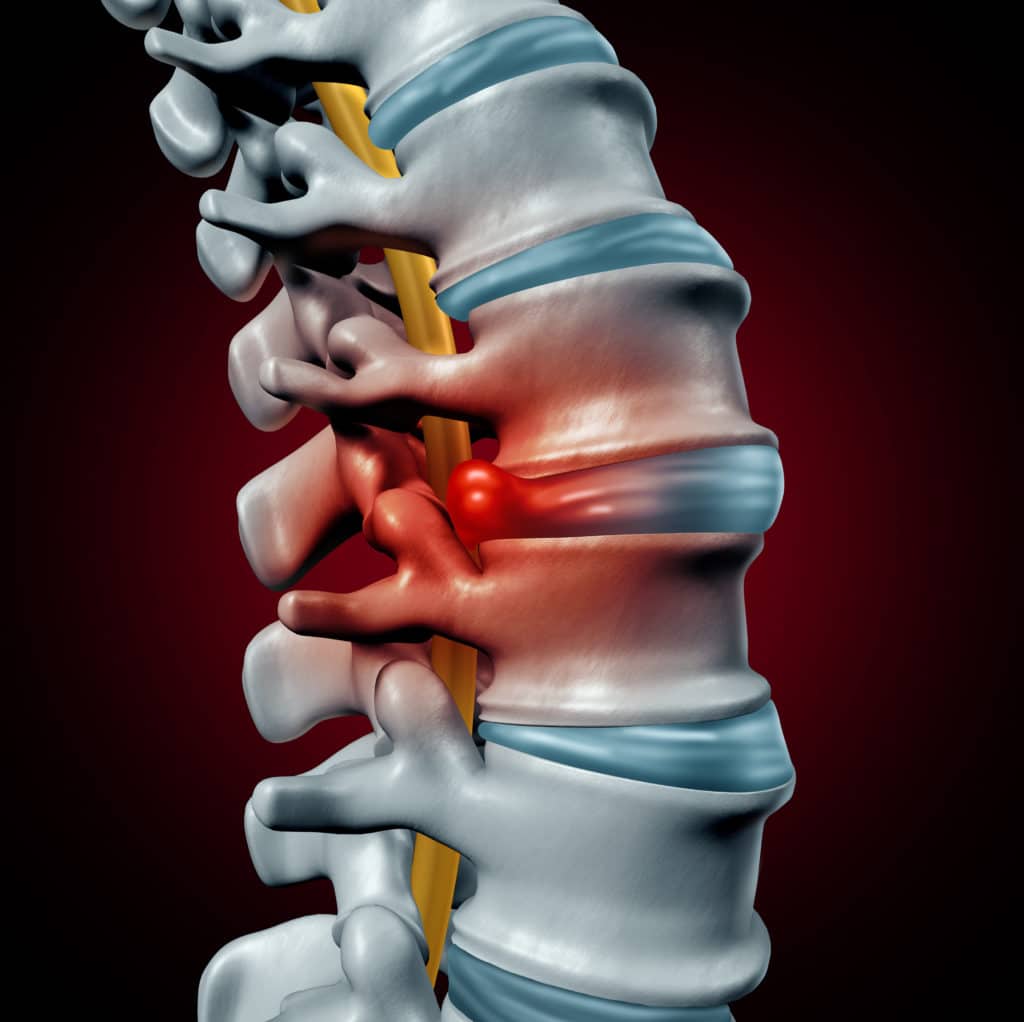
Disc material pressing on nerve roots
Common cause of arm pain and tingling
Cervical Spondylosis
Degenerative changes in the cervical spine
Bone spurs narrowing the nerve passage
Foraminal Stenosis
Narrowing of the nerve exit pathways
Compression of spinal nerves
Degenerative Disc Disease
Loss of disc height leading to reduced space for nerves
Trauma or Injury
Injuries causing swelling or structural changes in the spine
Call For More Info
+91. 85549 90487
Let’s Request a Schedule For Consultation
Common Symptoms of Cervical Nerve Compression
Neck and Arm Pain
Sharp or radiating pain from neck to arm
Pain worsening with movement
Sensory Symptoms
Numbness or tingling in shoulders, arms, or hands
Burning sensation along the nerve path
Motor Symptoms
Muscle weakness in arms or hands
Reduced grip strength
Advanced Symptoms
Persistent nerve pain affecting daily activities
Difficulty performing fine motor tasks
Common Approaches to Managing Cervical Foraminotomy Conditions
Conservative Management (In Mild Cases)
Pain medications and anti-inflammatory drugs
Physical therapy and posture correction
Activity modification
Cervical traction (in selected cases)
Surgical Management (Cervical Foraminotomy)
Removal of bone spurs or disc fragments
Widening of the neural foramen
Minimally invasive or open surgical techniques
Preservation of spinal motion
Physiotherapy and Rehabilitation
Neck mobility and strengthening exercises
Posture improvement
Gradual return to routine activities
Monitoring and Follow-Up
Regular clinical evaluation
Assessment of symptom relief
Adjustments in treatment and rehabilitation
Lifestyle Modifications
Maintaining ergonomic posture
Avoiding repetitive neck strain
Regular exercise and stretching
Living Well After Cervical Foraminotomy
Following prescribed rehabilitation program
Avoiding excessive neck strain
Staying active with guided exercises
Regular follow-up with your doctor
Final Note
Cervical foraminotomy is an effective procedure for relieving nerve compression while preserving spinal mobility. With proper diagnosis, timely treatment, and consistent rehabilitation, patients can experience significant pain relief and improved function.
If you have persistent neck or arm pain, numbness, or weakness, consult a spine specialist for accurate evaluation and appropriate care.

Trustindex verifies that the original source of the review is Google. Posted on GoogleTrustindex verifies that the original source of the review is Google. Posted on GoogleTrustindex verifies that the original source of the review is Google. GoodPosted on GoogleTrustindex verifies that the original source of the review is Google. Posted on GoogleTrustindex verifies that the original source of the review is Google.