

Kyphoplasty / Vertebroplasty
Dr. Rajesh Parasnis - Best Spine Surgeon I Spine Surgery Expert
Dr. Rajesh Parasnis is a highly esteemed and accomplished Spine Surgeon, with over two decades of unparalleled expertise in diagnosing and treating complex spinal conditions.
Kyphoplasty / Vertebroplasty: Minimally Invasive Treatment for Spinal Fractures
Kyphoplasty and vertebroplasty are minimally invasive spine procedures used to treat compression fractures of the vertebrae, most commonly caused by osteoporosis. These procedures help relieve pain, stabilize the fractured bone, and improve mobility.
They are especially beneficial for patients experiencing severe back pain due to vertebral fractures that do not improve with rest or medications.
This page explains what kyphoplasty and vertebroplasty are, their causes, symptoms, and how they are commonly evaluated and managed.
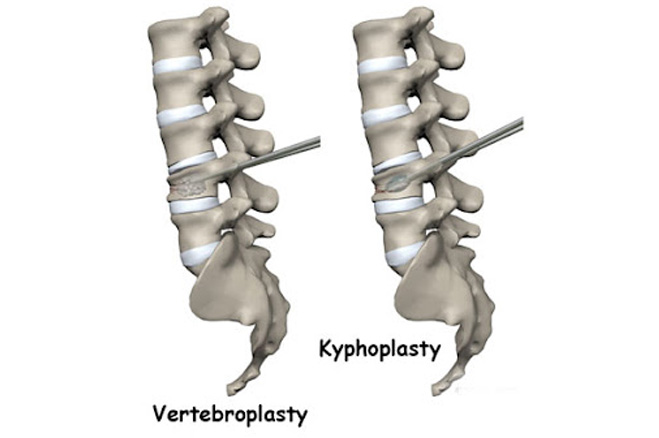
What Is Kyphoplasty / Vertebroplasty?
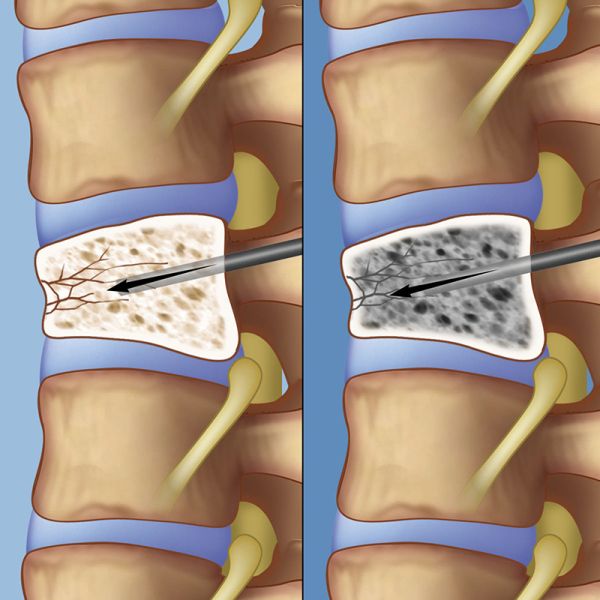
Both kyphoplasty and vertebroplasty are procedures designed to stabilize fractured vertebrae by injecting medical-grade bone cement into the affected bone.
In vertebroplasty, the cement is directly injected into the fractured vertebra to provide stability. In kyphoplasty, a small balloon is first inserted and inflated to create space and restore vertebral height before cement injection.
These procedures are typically performed under imaging guidance and offer quick pain relief with minimal recovery time.
Common Causes and Risk Factors
Osteoporosis
Weakening of bones due to reduced bone density
Most common cause of vertebral compression fractures
Spinal Trauma
Falls or accidents leading to vertebral fractures
Tumors or Cancer
Spinal tumors weakening the vertebrae
Increased risk of fractures
Infections
Infections affecting spinal bones
Causing structural weakness
Age-Related Bone Loss
Increased fragility of bones in older adults
Call For More Info
+91. 85549 90487
Let’s Request a Schedule For Consultation
Common Symptoms of Vertebral Compression Fractures
Pain Symptoms
Sudden onset back pain
Pain worsening with standing or walking
Relief when lying down
Postural Changes
Stooped posture (kyphosis)
Loss of height over time
Mobility Issues
Difficulty in movement
Reduced ability to perform daily activities
Advanced Symptoms
Chronic pain if untreated
Multiple fractures leading to spinal deformity
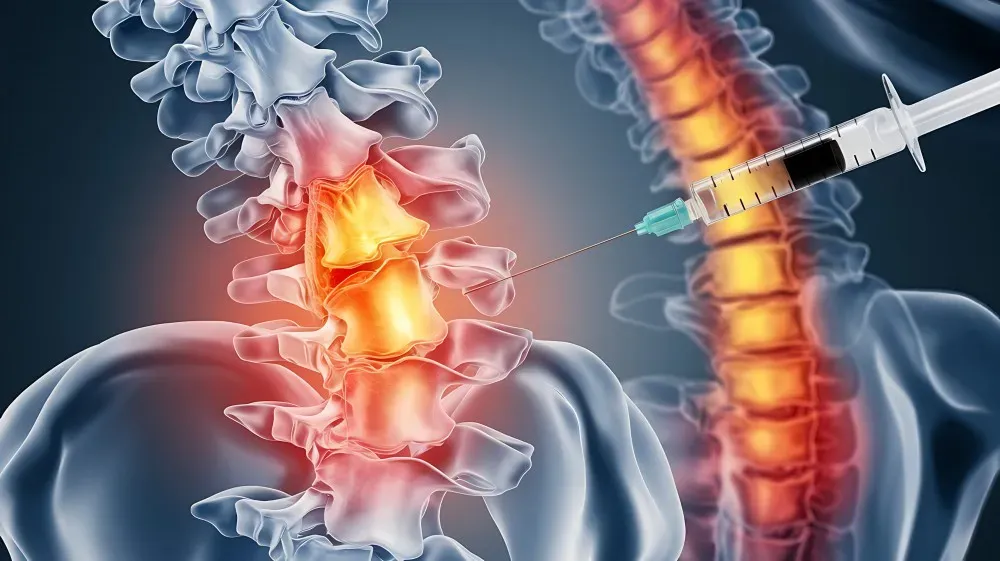
Common Approaches to Managing Kyphoplasty / Vertebroplasty Conditions
Conservative Management (In Mild Cases)
Pain medications
Bed rest (short-term)
Back bracing
Osteoporosis management
Surgical Management (Kyphoplasty / Vertebroplasty)
Injection of bone cement into fractured vertebra
Balloon-assisted height restoration (kyphoplasty)
Minimally invasive technique
Rapid pain relief and stabilization
Physiotherapy and Rehabilitation
Strengthening exercises for back muscles
Posture correction
Gradual return to normal activities
Monitoring and Follow-Up
Regular clinical check-ups
Bone health assessment
Prevention of future fractures
Lifestyle Modifications
Calcium and vitamin D intake
Regular weight-bearing exercises
Fall prevention strategies
Living Well After Kyphoplasty / Vertebroplasty
Maintaining bone health
Following prescribed medications
Staying physically active
Regular follow-ups with your doctor
Final Note
Kyphoplasty and vertebroplasty are effective, minimally invasive procedures for treating vertebral compression fractures and relieving pain. With proper care, rehabilitation, and bone health management, patients can regain mobility and improve their quality of life.
If you experience sudden back pain or suspect a spinal fracture, seek medical attention promptly for accurate diagnosis and timely treatment.

Trustindex verifies that the original source of the review is Google. Posted on GoogleTrustindex verifies that the original source of the review is Google. Posted on GoogleTrustindex verifies that the original source of the review is Google. GoodPosted on GoogleTrustindex verifies that the original source of the review is Google. Posted on GoogleTrustindex verifies that the original source of the review is Google.