

Spinal Tumor
Dr. Rajesh Parasnis - Best Spine Surgeon I Spine Surgery Expert
Dr. Rajesh Parasnis is a highly esteemed and accomplished Spine Surgeon, with over two decades of unparalleled expertise in diagnosing and treating complex spinal conditions.
Spinal Tumor Treatment in Pune
Persistent back pain, unexplained weakness, or changes in sensation can sometimes raise concern about serious underlying conditions. One such condition is a spinal tumor. While spinal tumors are relatively uncommon, understanding them is important because early recognition and timely medical evaluation can make a significant difference in outcomes.
This page explains what spinal tumors are, the different types, common symptoms, how they are diagnosed, and the general approaches to management, in a way that is easy to understand and focused on patient awareness.
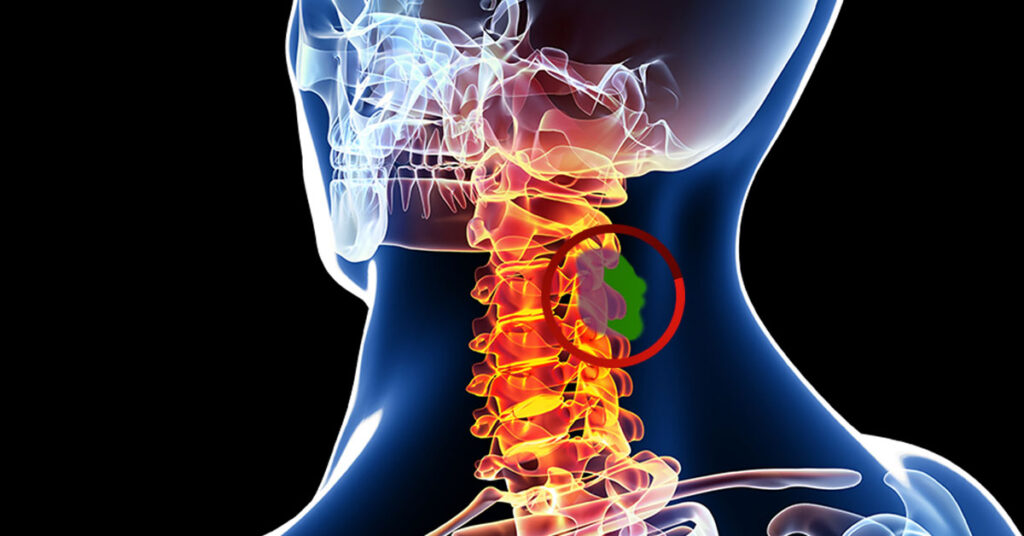
What Is a Spinal Tumor?
A spinal tumor is an abnormal growth of cells that develops within or around the spine or spinal cord. These tumors may arise from the spine itself or spread from other parts of the body.
Spinal tumors can affect:
- The bones of the spine (vertebrae)
- The spinal cord
- The nerves
- The tissues surrounding the spine
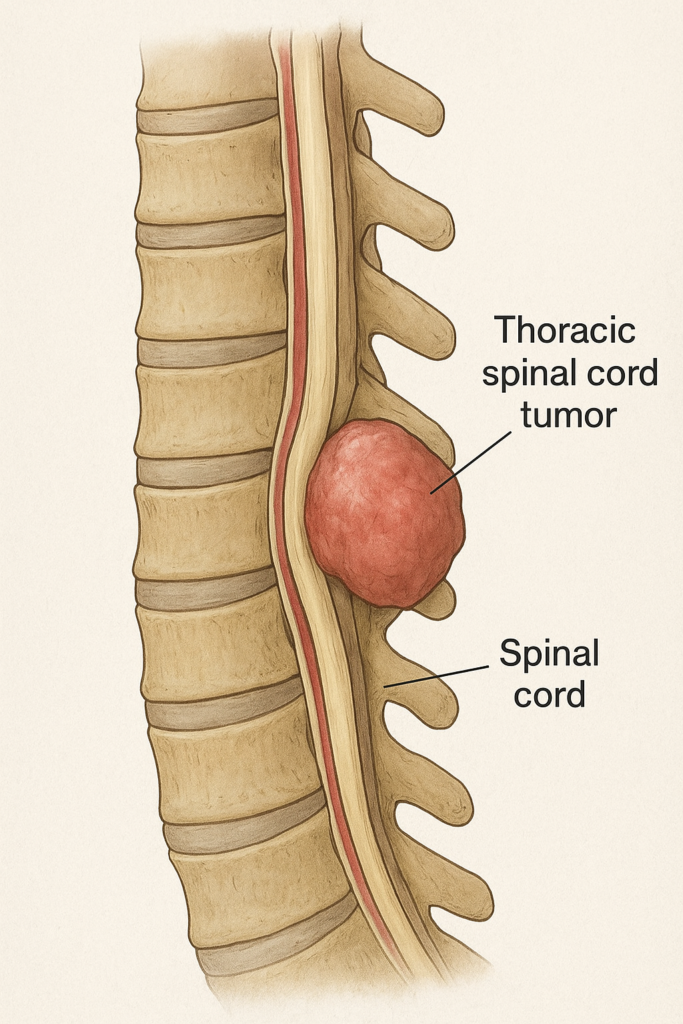
Depending on their size and location, spinal tumors may put pressure on nerves or the spinal cord, leading to pain or neurological symptoms.
Common Causes and Risk Factors
The exact cause of many spinal tumors is not known. Possible contributing factors include:
- Spread from cancer elsewhere in the body
- Genetic conditions (rare)
- Abnormal cell growth for unknown reasons
Most spinal tumors are not caused by injury, posture, or lifestyle habits.
Call For More Info
+91. 85549 90487
Let’s Request a Schedule For Consultation
Common Symptoms of Spinal Tumors
Pain-Related Symptoms
- Persistent back or neck pain
- Pain that worsens at night or while resting
- Pain not relieved by usual measures
Neurological Symptoms
- Weakness in arms or legs
- Numbness or tingling
- Difficulty walking or maintaining balance
- Loss of coordination
Advanced or Serious Symptoms
- Loss of bladder or bowel control
- Progressive paralysis
- Spinal deformity or instability
These symptoms require urgent medical attention.
Common Approaches to Managing Spinal Tumors
Observation and Monitoring
- Used for small, slow-growing tumors without symptoms
- Regular imaging and follow-up
Medical Management
- Pain control
- Medications to reduce inflammation or swelling
- Treatment of underlying cancer in metastatic cases
Surgical Management
Surgery may be considered to:
- Relieve pressure on the spinal cord or nerves
- Stabilize the spine
- Obtain tissue for diagnosis
Radiation Therapy
- Used in certain tumors to control growth or relieve symptoms
- Often combined with surgery or medical treatment
Chemotherapy or Targeted Therapy
- Used mainly for malignant or metastatic tumors
- Depends on tumor type and origin
Recovery and Rehabilitation
Rehabilitation plays a key role after treatment and may include:
- Physiotherapy to restore strength and mobility
- Occupational therapy for daily activities
- Pain management support
Final Note
Spinal tumors are uncommon but potentially serious conditions. Persistent pain, neurological symptoms, or unexplained changes should never be ignored. Early diagnosis and appropriate care can significantly improve outcomes and help preserve nerve function.
If you experience symptoms that raise concern, consult a qualified healthcare professional promptly for proper evaluation and guidance.

Trustindex verifies that the original source of the review is Google. Posted on GoogleTrustindex verifies that the original source of the review is Google. Posted on GoogleTrustindex verifies that the original source of the review is Google. GoodPosted on GoogleTrustindex verifies that the original source of the review is Google. Posted on GoogleTrustindex verifies that the original source of the review is Google.