
Non-Operative Treatment
Dr. Rajesh Parasnis - Best Spine Surgeon I Spine Surgery Expert
Dr. Rajesh Parasnis is a highly esteemed and accomplished Spine Surgeon, with over two decades of unparalleled expertise in diagnosing and treating complex spinal conditions.
Non-Operative Treatment: Effective Care Without Surgery
Non-operative treatment focuses on managing medical conditions without the need for surgery. It is often the first line of care for many spine and musculoskeletal problems, especially when symptoms are identified early and managed appropriately.
This approach aims to relieve pain, improve function, and support recovery through guided therapies and lifestyle modifications.
What Is Non-Operative Treatment?
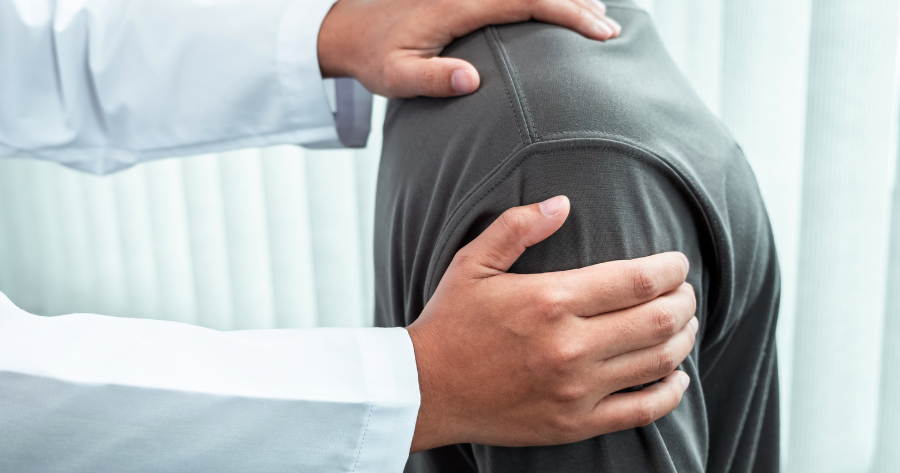
Non-operative treatment refers to a combination of medical, physical, and lifestyle-based approaches used to manage pain and improve mobility without surgical intervention.
It focuses on addressing the root cause of the problem while helping patients return to their normal daily activities safely and effectively.
Common Causes and Risk Factors
Neck and Back Pain
Common due to poor posture, strain, or sedentary lifestyle
Herniated Disc (Mild to Moderate)
Disc bulge causing pain or nerve irritation without severe compression
Sciatica
Pain radiating along the sciatic nerve due to nerve irritation
Spondylosis and Degenerative Conditions
Age-related wear and tear of the spine
Early-Stage Spinal Stenosis
Mild narrowing of the spinal canal
Muscle Strain and Ligament Injuries
Overuse or injury affecting soft tissues
Posture-Related Problems
Improper sitting or standing habits leading to pain
Call For More Info
+91. 85549 90487
Let’s Request a Schedule For Consultation
Common Symptoms Managed with Non-Operative Treatment
Pain Symptoms
Neck or back pain
Pain radiating to arms or legs
Mobility Issues
Stiffness and reduced flexibility
Difficulty in movement
Neurological Symptoms (Mild Cases)
Numbness or tingling
Mild muscle weakness
Functional Limitations
Difficulty performing daily activities
Reduced physical endurance
Common Approaches to Managing Non-Operative Treatment
Physiotherapy and Exercise Therapy
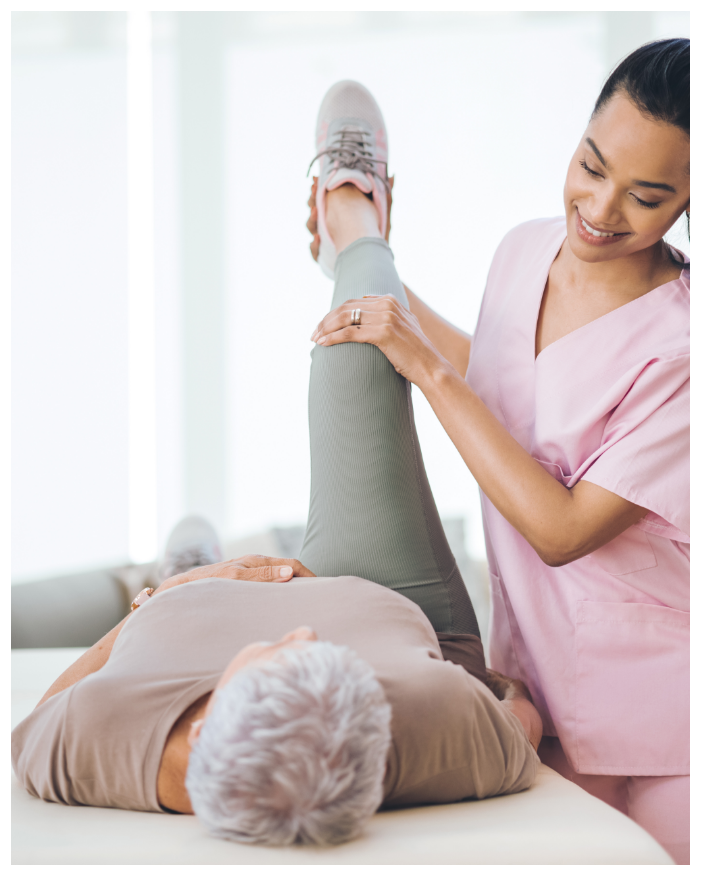
Stretching and strengthening exercises
Core stability training
Posture correction
Functional movement training
Medications
Pain-relieving medicines
Anti-inflammatory drugs
Muscle relaxants
Nerve pain medications (in selected cases)
Lifestyle and Activity Modification
Avoiding strain and improper posture
Gradual return to normal activities
Weight management
Ergonomic adjustments
Posture Correction and Ergonomic Guidance
Proper sitting and standing techniques
Workstation setup
Safe lifting methods
Sleep posture guidance
Pain Management Techniques
Heat therapy for muscle relaxation
Cold therapy for inflammation
Stretching and relaxation techniques
Interventional Pain Management (If Needed)
Epidural injections
Nerve blocks
Trigger point injections
Final Note
Non-operative treatment forms the foundation of care for many spine and musculoskeletal conditions. With proper guidance, consistency, and follow-up, it can significantly reduce symptoms and improve quality of life.
If you are experiencing persistent pain or mobility issues, consult a healthcare professional to determine the most appropriate treatment plan for your condition.

Trustindex verifies that the original source of the review is Google. Posted on GoogleTrustindex verifies that the original source of the review is Google. Posted on GoogleTrustindex verifies that the original source of the review is Google. GoodPosted on GoogleTrustindex verifies that the original source of the review is Google. Posted on GoogleTrustindex verifies that the original source of the review is Google.