Scoliosis
Dr. Rajesh Parasnis - Best Spine Surgeon I Scoliosis Surgery Expert
Dr. Rajesh Parasnis is a highly esteemed and accomplished Spine Surgeon, with over two decades of unparalleled expertise in diagnosing and treating complex spinal conditions.
Scoliosis Treatment in Pune
When we think of the spine, we usually imagine it as a straight column that supports the body. In scoliosis, however, the spine curves sideways and may also rotate, leading to changes in posture and body alignment. For some people, scoliosis is noticed during childhood or adolescence, while others discover it later in life due to back pain or visible changes in posture.
This page explains what scoliosis is, why it occurs, how it is identified, and the common ways it is managed, helping patients and families better understand the condition.
What Is Scoliosis?
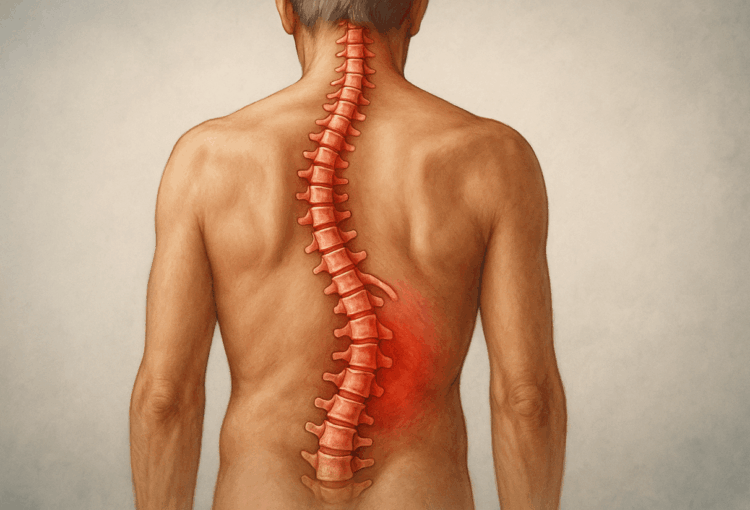
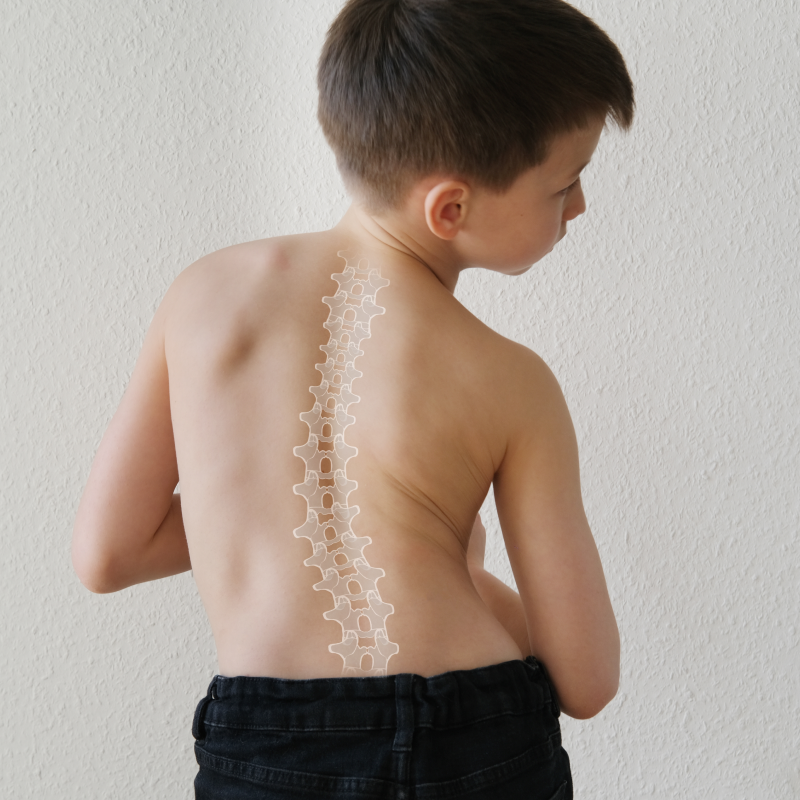
Scoliosis is a condition in which the spine curves abnormally to the side, often forming an “S” or “C” shape when viewed from behind. In addition to the sideways curve, the vertebrae may rotate, which can cause rib or shoulder asymmetry.
Scoliosis can affect:
- Children and adolescents
- Adults, either as a continuation of childhood scoliosis or due to degenerative changes in the spine
What Causes Scoliosis?
In many cases, especially idiopathic scoliosis, the exact cause is unknown. Factors that may play a role include:
- Genetic predisposition
- Abnormal growth patterns
- Muscle imbalance
- Degenerative changes in adults
Poor posture alone does not cause scoliosis, though it may worsen discomfort.
Call For More Info
+91. 85549 90487
Let’s Request a Schedule For Consultation
Common Signs and Symptoms of Scoliosis
Physical Signs
- Uneven shoulders or hips
- One shoulder blade more prominent
- Tilted waist or trunk
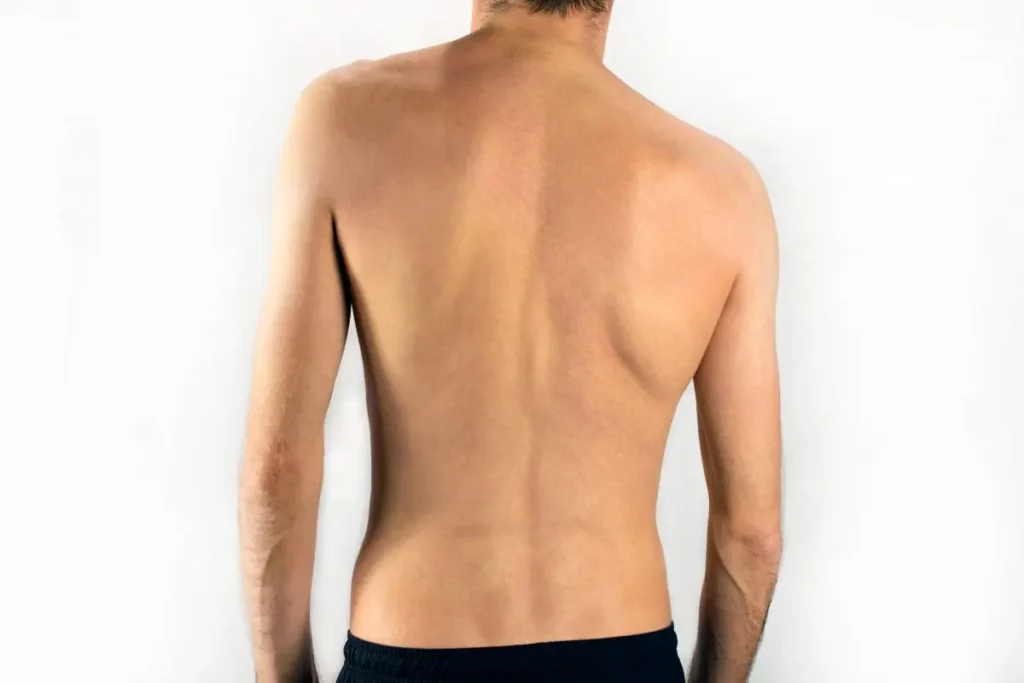
- Visible spinal curve
Symptoms in Children and Adolescents
- Often painless
- Detected during routine screening or physical examination
Symptoms in Adults
- Back pain or stiffness
- Fatigue after prolonged standing or sitting
- Nerve-related symptoms if spinal nerves are compressed
Common Approaches to Managing Scoliosis
Observation
- Regular monitoring in mild cases
- Common in children with small curves
Bracing
- Used mainly in growing children and adolescents
- Aims to prevent curve progression
Physiotherapy and Exercises
- Focus on posture, strength, and flexibility
- Helps improve comfort and function
Pain Management
- Medications or targeted therapies for symptom relief
- More commonly needed in adults
Surgical Management
Surgery is considered only when:
- Curves are severe or progressive
- Conservative measures fail
- There is significant pain or functional limitation
Final Note
Scoliosis is a complex condition that affects people differently. While some cases remain mild and stable, others may require closer monitoring or Scoliosis Treatment in Pune. Awareness, timely evaluation, and appropriate care are essential for maintaining spinal health and overall well-being.
If you or your child show signs of scoliosis or experience persistent symptoms, consult Dr.Rajesh Parasnis, Spine Specialist in Pune, & Scoliosis Specialist in Pune, a qualified healthcare professional for proper assessment and guidance.

Trustindex verifies that the original source of the review is Google. Posted on GoogleTrustindex verifies that the original source of the review is Google. Posted on GoogleTrustindex verifies that the original source of the review is Google. GoodPosted on GoogleTrustindex verifies that the original source of the review is Google. Posted on GoogleTrustindex verifies that the original source of the review is Google.