

Spinal Tumor Surgery
Dr. Rajesh Parasnis - Best Spine Surgeon I Spine Surgery Expert
Dr. Rajesh Parasnis is a highly esteemed and accomplished Spine Surgeon, with over two decades of unparalleled expertise in diagnosing and treating complex spinal conditions.
Spinal Tumor Surgery: Advanced Care for Spine Tumors
Spinal tumor surgery is a specialized procedure performed to remove tumors affecting the spine or spinal cord. These tumors may be benign (non-cancerous) or malignant (cancerous) and can impact spinal stability, nerve function, and overall health.
The goal of surgery is to safely remove or reduce the tumor, relieve pressure on the spinal cord or nerves, and preserve or restore function.
This page explains what spinal tumor surgery is, its causes, symptoms, and common approaches to management.
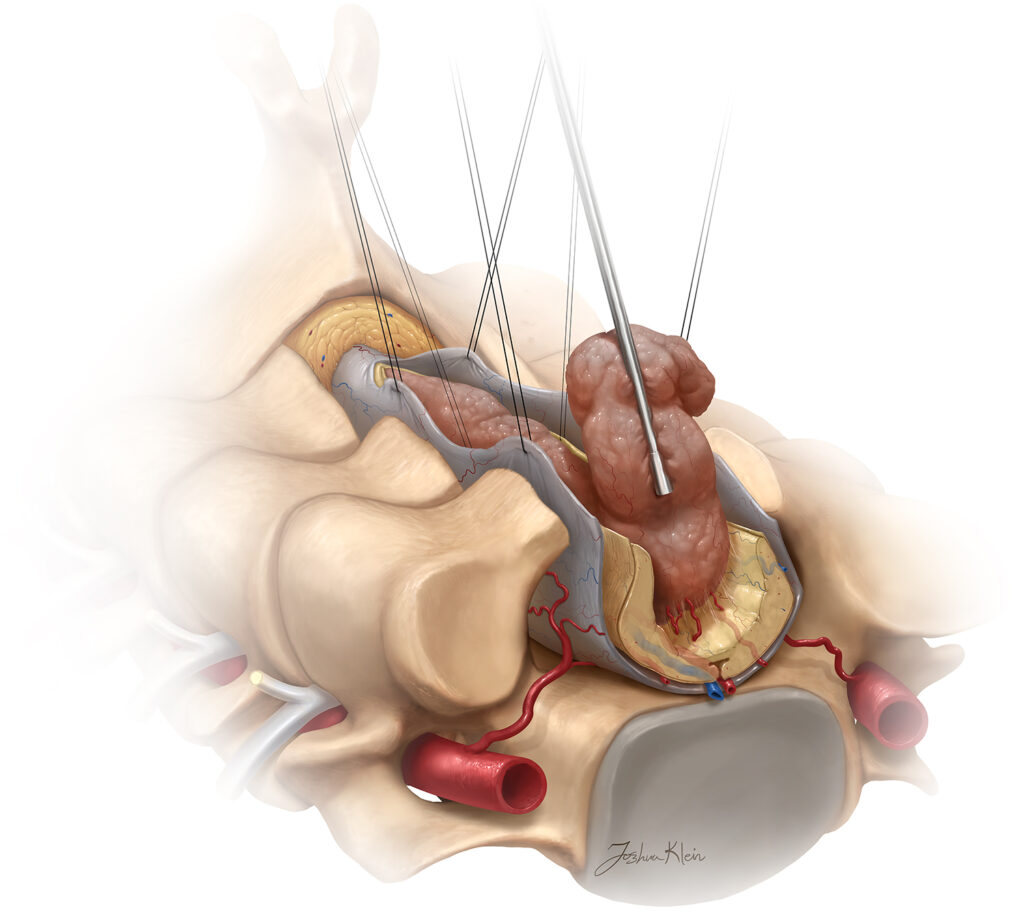
What Is Spinal Tumor Surgery?
Spinal tumor surgery involves the removal of abnormal growths located in or around the spine. Depending on the type, size, and location of the tumor, the procedure may include complete removal, partial removal (debulking), or stabilization of the spine using implants.
Advanced surgical techniques and imaging guidance are often used to improve safety and outcomes.
Common Causes and Types of Spinal Tumors
Primary Spinal Tumors
Tumors that originate in the spine or spinal cord
Metastatic Tumors
Cancer that spreads to the spine from other parts of the body
Benign Tumors
Non-cancerous growths that may still compress nerves or affect stability
Malignant Tumors
Cancerous tumors that can grow aggressively and spread
Intradural Tumors
Tumors located within the spinal cord covering
Extradural Tumors
Tumors located outside the spinal cord, often affecting vertebrae
Call For More Info
+91. 85549 90487
Let’s Request a Schedule For Consultation
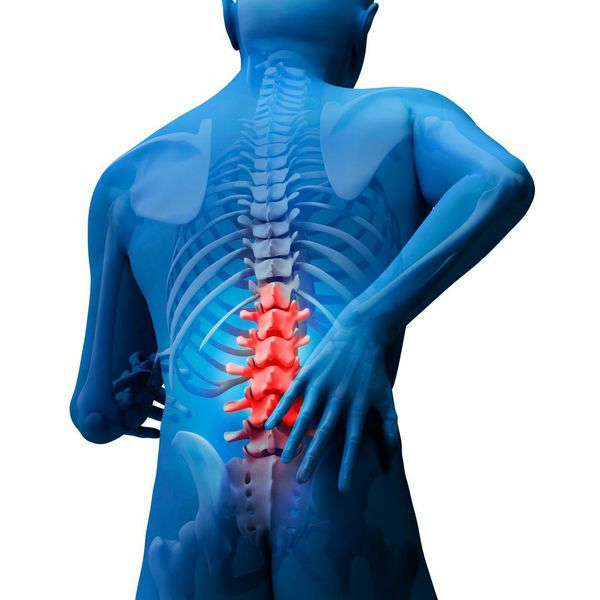
Common Symptoms Indicating Need for Spinal Tumor Surgery
Pain Symptoms
Persistent back or neck pain
Pain that worsens at night or with activity
Neurological Symptoms
Numbness or tingling
Muscle weakness
Loss of coordination or balance
Functional Limitations
Difficulty walking or performing daily activities
Reduced mobility
Severe Symptoms
Loss of bladder or bowel control
Progressive neurological deficits
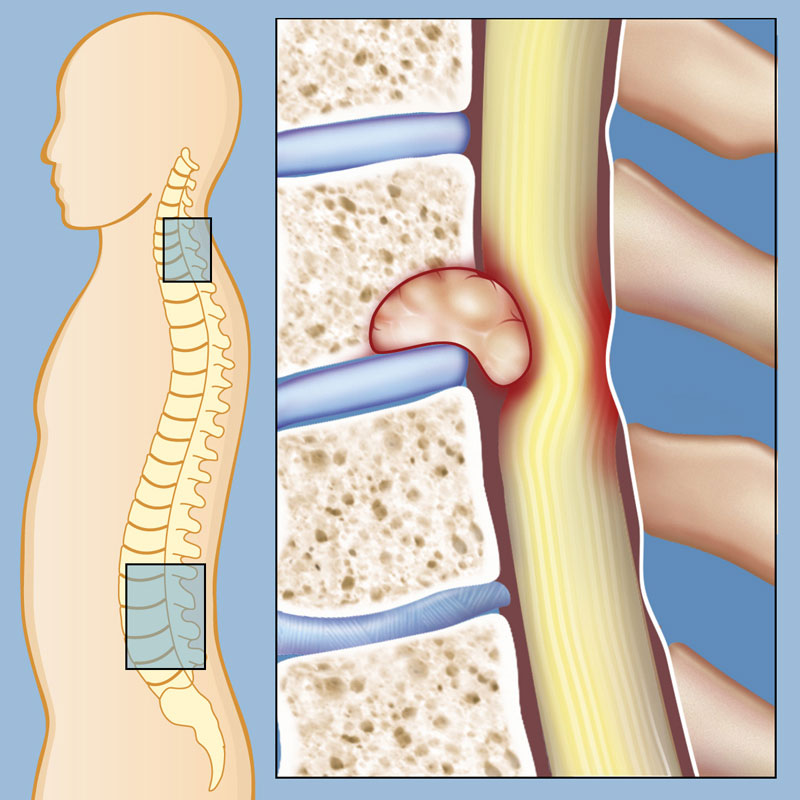
Common Approaches to Managing Spinal Tumor Conditions
Conservative and Supportive Care
Pain management
Medications to reduce inflammation
Monitoring in selected cases
Surgical Management (Spinal Tumor Surgery)
Complete or partial tumor removal
Decompression of spinal cord and nerves
Stabilization of the spine using rods, screws, or implants
Use of advanced imaging and navigation systems
Adjunct Treatments
Radiation therapy (in selected cases)
Chemotherapy depending on tumor type
Targeted therapies for specific cancers
Post-Surgical Rehabilitation
Physiotherapy for strength and mobility
Neurological rehabilitation if required
Gradual return to normal activities
Monitoring and Follow-Up
Regular imaging to monitor for recurrence
Ongoing clinical evaluation
Long-term follow-up care
Lifestyle Modifications
Maintaining a healthy lifestyle
Following medical advice and rehabilitation plans
Regular health check-ups
Final Note
Spinal tumor surgery is a critical and often life-improving procedure for patients with spinal tumors. With advancements in surgical techniques and comprehensive care, many patients achieve good outcomes and improved quality of life.
If you experience persistent back pain or neurological symptoms, consult a specialist for early diagnosis and appropriate treatment.

Trustindex verifies that the original source of the review is Google. Posted on GoogleTrustindex verifies that the original source of the review is Google. Posted on GoogleTrustindex verifies that the original source of the review is Google. GoodPosted on GoogleTrustindex verifies that the original source of the review is Google. Posted on GoogleTrustindex verifies that the original source of the review is Google.