
Kyphosis
Dr. Rajesh Parasnis - Best Spine Surgeon I Kyphosis Surgery Expert
Dr. Rajesh Parasnis is a highly esteemed and accomplished Spine Surgeon in Pune, with over two decades of unparalleled expertise in diagnosing and treating complex spinal conditions.
Kyphosis Treatment in Pune
A gentle forward curve in the upper back is a normal part of the spine’s structure. In kyphosis, however, this curve becomes exaggerated, causing the upper back to appear rounded or hunched. Some people notice kyphosis as a postural change, while others experience pain, stiffness, or fatigue over time. The condition can affect children, adolescents, and adults, and its impact varies widely from person to person.
This page explains what kyphosis is, why it develops, how it presents, and how it is commonly managed, helping you better understand the condition.
What Is Kyphosis?
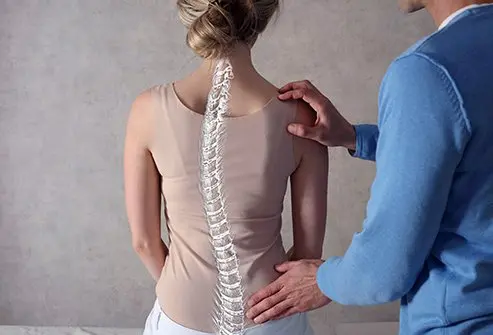
Kyphosis is a condition in which the upper (thoracic) spine curves forward more than normal. While a mild curve is natural, an excessive curve may alter posture, balance, and in some cases, breathing or nerve function.
Kyphosis most commonly affects the thoracic spine, but in some cases, it may involve the junction between the thoracic and lumbar spine.
What Causes Kyphosis?
The causes vary depending on the type:
- Poor posture and weak back muscles
- Abnormal vertebral development
- Age-related disc and joint degeneration
- Osteoporosis and vertebral fractures
- Spinal infections or tumors (rare)
Call For More Info
+91. 85549 90487
Let’s Request a Schedule For Consultation
Common Signs and Symptoms of Kyphosis
Physical Signs
- Rounded or hunched upper back
- Forward-tilted head or shoulders
- Uneven posture
Common Symptoms
- Back pain or stiffness
- Muscle fatigue
- Reduced spinal flexibility
Severe Symptoms (Less Common)
- Difficulty breathing due to restricted chest expansion
- Numbness or weakness if nerves are compressed
- Balance problems
Common Approaches to Managing Kyphosis
Observation and Monitoring
- Mild cases may only require regular follow-up
- Common in postural kyphosis and early Scheuermann’s disease
Physiotherapy and Exercise
- Focus on posture correction
- Strengthening back and core muscles
- Stretching tight muscles
Bracing
- Used mainly in growing adolescents
- Helps prevent progression of certain types of kyphosis
Pain Management
- Medications or supportive therapies for discomfort
- Lifestyle adjustments to reduce strain
Surgical Management
Surgery is considered only when:
- Kyphosis is severe or progressive
- Conservative measures fail
- There is significant pain, deformity, or nerve involvement
Final Note
Kyphosis varies widely in severity and impact. Some cases remain mild and stable, while others require closer monitoring or treatment. Understanding the condition helps individuals and families recognize changes early and seek timely care.
If you or a family member notice increasing spinal curvature or experience persistent symptoms, consult Dr. Rajesh Parasnis, a qualified healthcare professional for Kyphosis treatment in Pune, accurate assessment and guidance.

Trustindex verifies that the original source of the review is Google. Posted on GoogleTrustindex verifies that the original source of the review is Google. Posted on GoogleTrustindex verifies that the original source of the review is Google. GoodPosted on GoogleTrustindex verifies that the original source of the review is Google. Posted on GoogleTrustindex verifies that the original source of the review is Google.