

Spinal Navigation
Dr. Rajesh Parasnis - Best Spine Surgeon I Spine Surgery Expert
Dr. Rajesh Parasnis is a highly esteemed and accomplished Spine Surgeon, with over two decades of unparalleled expertise in diagnosing and treating complex spinal conditions.
Spinal Navigation: Enhancing Precision in Spine Surgery
Spinal navigation is an advanced technology used during spine surgery to improve accuracy, safety, and surgical outcomes. It provides real-time, image-guided assistance to surgeons, helping them perform complex procedures with greater precision.
This technology acts like a GPS system for the spine, allowing surgeons to visualize anatomical structures clearly and place implants with high accuracy.
This page explains what spinal navigation is, its uses, indications, and how it is commonly utilized in spine care.
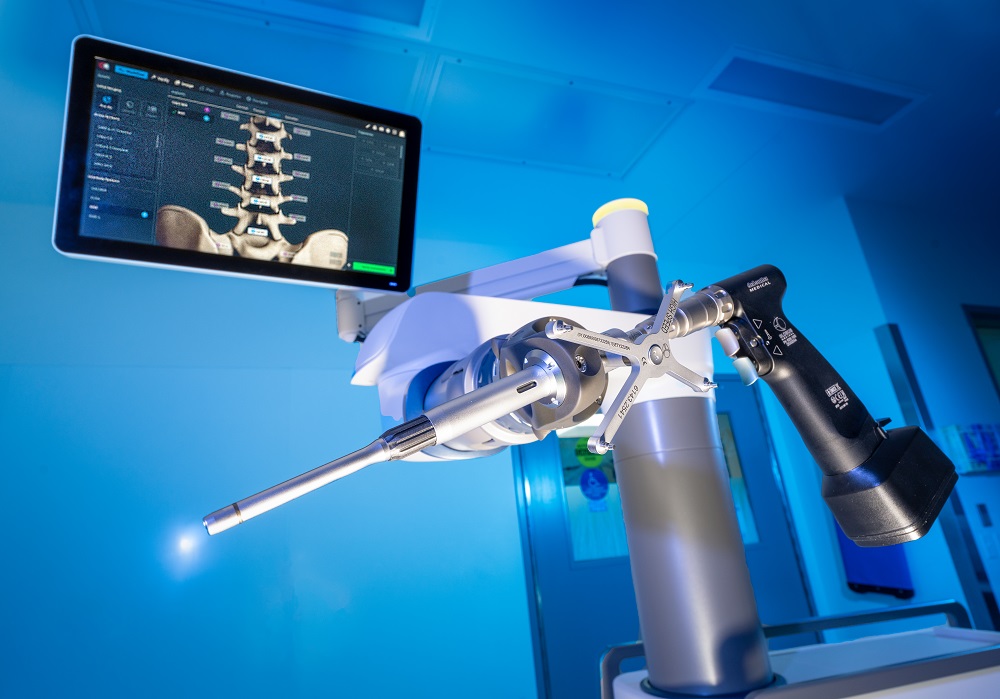
What Is Spinal Navigation?
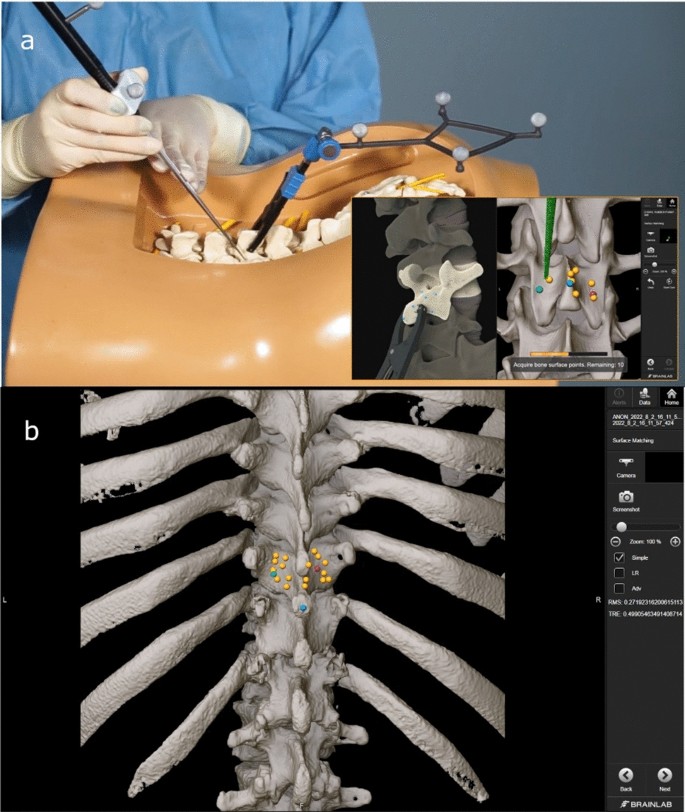
Spinal navigation is a computer-assisted surgical system that uses 3D imaging and real-time tracking to guide surgeons during spine procedures. It helps in accurate placement of screws, implants, and instruments while minimizing the risk of damage to surrounding tissues.
The system integrates imaging techniques such as CT scans or intraoperative imaging to create a detailed map of the patient’s spine.
Common Causes and Risk Factors
Spinal Fusion Procedures
Ensures precise placement of screws and implants
Complex Spine Surgeries
Helps manage deformities and challenging anatomical conditions
Spinal Tumors
Accurate targeting and safe removal of tumors
Spinal Deformities
Used in scoliosis and kyphosis correction surgeries
Revision Spine Surgery
Improves accuracy in previously operated spines
Minimally Invasive Spine Surgery
Supports smaller incisions with precise navigation
Call For More Info
+91. 85549 90487
Let’s Request a Schedule For Consultation
Common Situations Where Spinal Navigation Is Beneficial
Need for High Precision
Cases requiring accurate implant placement
Complex Anatomy
Abnormal or distorted spinal structures
Minimizing Surgical Risks
Reducing chances of nerve or tissue injury
Improved Surgical Outcomes
Better alignment and long-term results
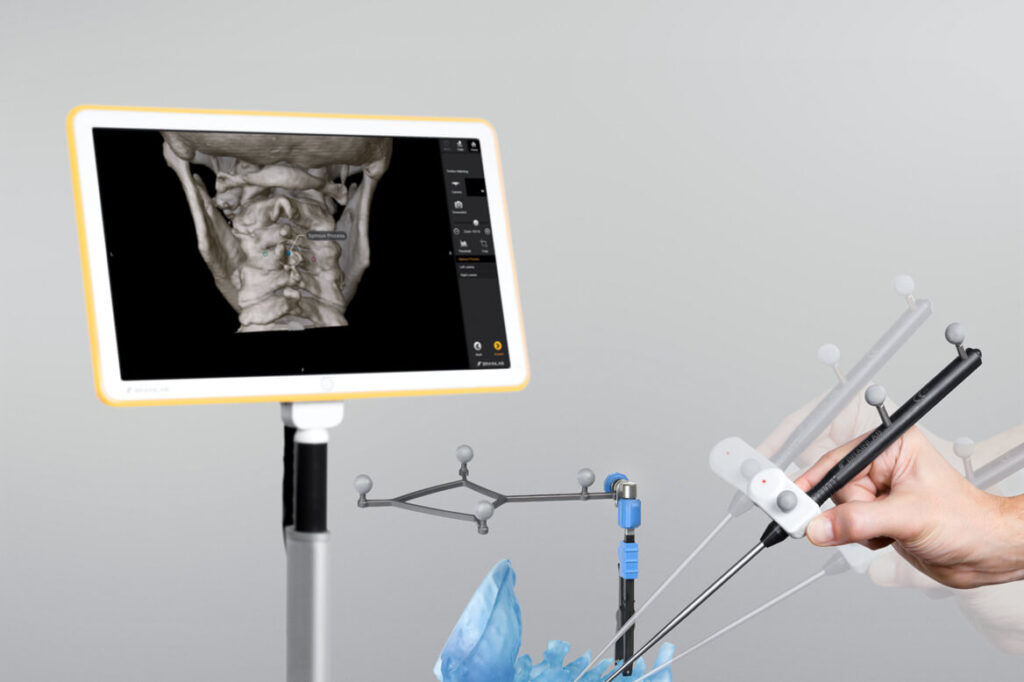
Common Approaches to Using Spinal Navigation
Preoperative Planning
Detailed surgical planning using 3D imaging
Mapping of spinal structures before surgery
Intraoperative Guidance
Real-time navigation during surgery
Precise tracking of instruments and implants
Integration with Advanced Technologies
Used alongside robotic-assisted systems
Supports minimally invasive techniques
Postoperative Benefits
Improved implant positioning
Reduced complications and faster recovery
Monitoring and Follow-Up
Regular evaluation of surgical outcomes
Imaging studies to confirm implant placement
Ongoing assessment of recovery
Lifestyle Considerations
Following post-surgical guidelines
Maintaining spinal health through proper posture and exercise
Final Note
Spinal navigation is a major advancement in modern spine surgery, offering enhanced precision, safety, and better outcomes. It is especially valuable in complex and minimally invasive procedures where accuracy is critical.
Consult a qualified spine specialist to understand how spinal navigation can improve your surgical care and recovery.

Trustindex verifies that the original source of the review is Google. Posted on GoogleTrustindex verifies that the original source of the review is Google. Posted on GoogleTrustindex verifies that the original source of the review is Google. GoodPosted on GoogleTrustindex verifies that the original source of the review is Google. Posted on GoogleTrustindex verifies that the original source of the review is Google.