
Spinal Stenosis
Dr. Rajesh Parasnis - Best Spine Surgeon I Spinal Stenosis Specialist
Dr. Rajesh Parasnis is a highly esteemed and accomplished Spine Surgeon, with over two decades of unparalleled expertise in diagnosing and treating complex spinal conditions.
Spinal Stenosis Treatment in Pune
Many people notice changes in their mobility as they grow older—difficulty standing for long periods, leg discomfort while walking, or pain that improves when sitting down. In some cases, these symptoms are linked to spinal stenosis, a condition where the spaces within the spine gradually narrow. This narrowing can place pressure on the spinal cord or nerves, leading to pain and functional limitations.
This page explains what spinal stenosis is, why it develops, how it presents, and the common approaches used to manage it, helping you better understand the condition.
What Is Spinal Stenosis?
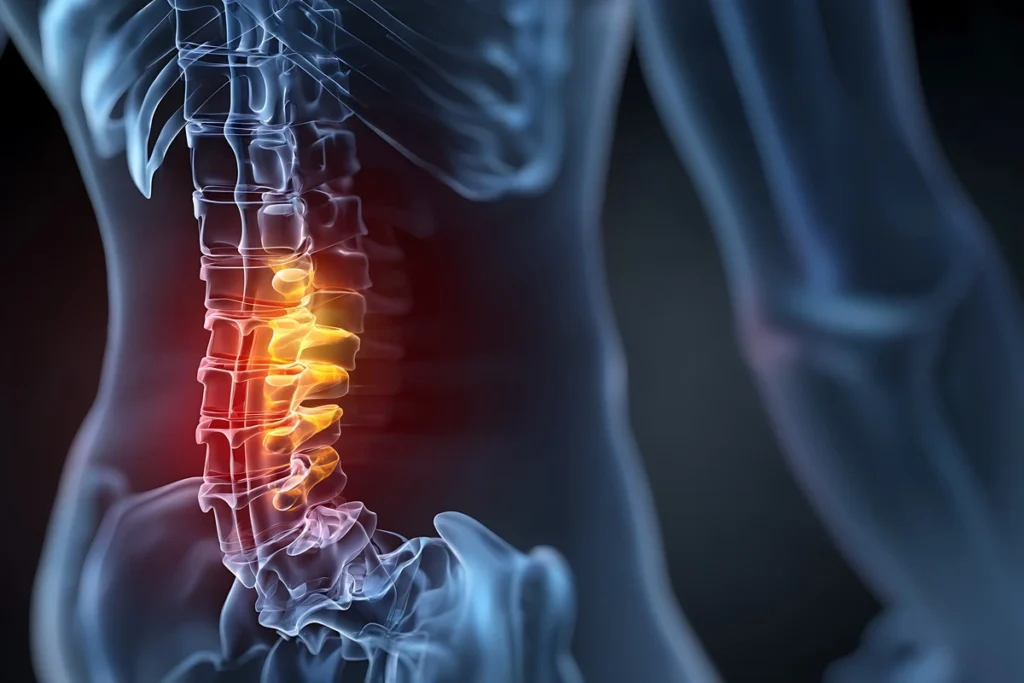
Spinal stenosis refers to narrowing of the spinal canal or the openings where nerves exit the spine. When this space becomes too tight, nerves may be compressed, leading to pain, numbness, or weakness.
Spinal stenosis can affect different regions:
- Cervical spinal stenosis – affects the neck
- Lumbar spinal stenosis – affects the lower back (most common)
- Thoracic spinal stenosis – affects the mid-back (rare)
Why Does Spinal Stenosis Occur?
Age-Related Degenerative Changes
The most common cause. Over time:
- Discs lose height and bulge outward
- Ligaments thicken and stiffen
- Facet joints enlarge due to arthritis
- Bone spurs (osteophytes) may form
Herniated or Bulging Discs
Discs that bulge into the spinal canal can contribute to nerve compression.
Spinal Arthritis
Degeneration of spinal joints can lead to inflammation, swelling, and narrowing of nerve passages.
Spinal Injuries or Trauma
Fractures or dislocations may alter spinal alignment and reduce canal space.
Congenital (Present at Birth) Narrow Canal
Some people are born with a naturally narrower spinal canal, making them more susceptible to symptoms later in life.
Call For More Info
+91. 85549 90487
Let’s Request a Schedule For Consultation
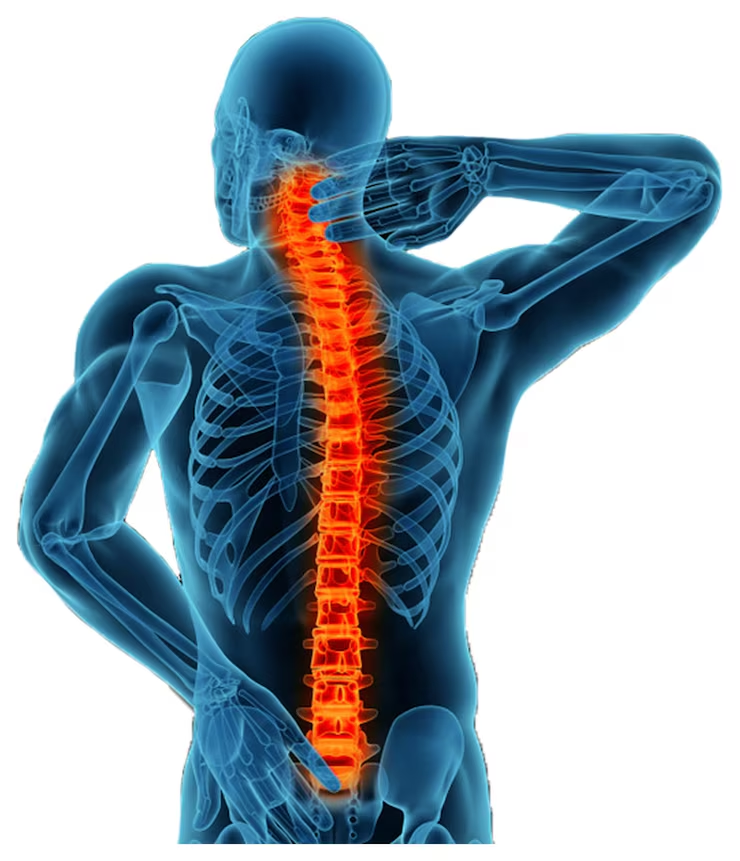
Common Symptoms of Spinal Stenosis
Lumbar Spinal Stenosis Symptoms
- Lower back pain
- Pain, heaviness, or cramping in the legs while walking
- Numbness or tingling in legs or feet
- Symptoms improve when sitting or bending forward
Cervical Spinal Stenosis Symptoms
- Neck pain or stiffness
- Pain radiating to arms or hands
- Numbness or weakness in arms
- Difficulty with balance or coordination
Advanced or Severe Symptoms
- Progressive weakness
- Difficulty walking
- Problems with bladder or bowel control (medical emergency)
Common Approaches to Managing Spinal Stenosis
Conservative (Non-Surgical) Care
Many people benefit from:
- Activity modification
- Pain-relieving or anti-inflammatory medications
- Physiotherapy focusing on flexibility and strengthening
- Posture correction
- Heat therapy to relieve stiffness
Interventional Pain Management
In some cases:
- Epidural steroid injections
- Nerve root or facet joint injections
These may help reduce inflammation and pain.
Surgical Management
Surgery is considered only when:
- Symptoms persist despite adequate conservative treatment
- There is progressive nerve damage
- Walking or daily activities become significantly impaired
- Bladder or bowel dysfunction occurs
Final Note
Spinal stenosis is a common condition, especially with advancing age, but its symptoms should not be ignored when they limit mobility or quality of life. Early evaluation and appropriate care can help manage discomfort and maintain independence.
If you experience persistent or worsening symptoms, consult a Dr. Rajesh Parasnis, Spinal Stenosis Specialis in Pune qualified healthcare professional for accurate Spinal Stenosis Treatment in Pune, assessment and guidance.

Trustindex verifies that the original source of the review is Google. Posted on GoogleTrustindex verifies that the original source of the review is Google. Posted on GoogleTrustindex verifies that the original source of the review is Google. GoodPosted on GoogleTrustindex verifies that the original source of the review is Google. Posted on GoogleTrustindex verifies that the original source of the review is Google.