
Osteoporosis
Dr. Rajesh Parasnis - Best Spine Surgeon I Osteoporosis Treatment
Dr. Rajesh Parasnis is a highly esteemed and accomplished Spine Surgeon in Pune, with over two decades of unparalleled expertise in diagnosing and treating complex spinal conditions like Osteoporosis.
Osteoporosis: Understanding Bone Weakness and Fracture Risk
Osteoporosis is a condition in which bones become weak and fragile, making them more prone to fractures. It often develops gradually and may not cause noticeable symptoms until a fracture occurs.
This condition commonly affects the spine, hips, and wrists, and is more prevalent with increasing age. Early detection and proper management are important to reduce fracture risk and maintain bone health.
What Is Osteoporosis?
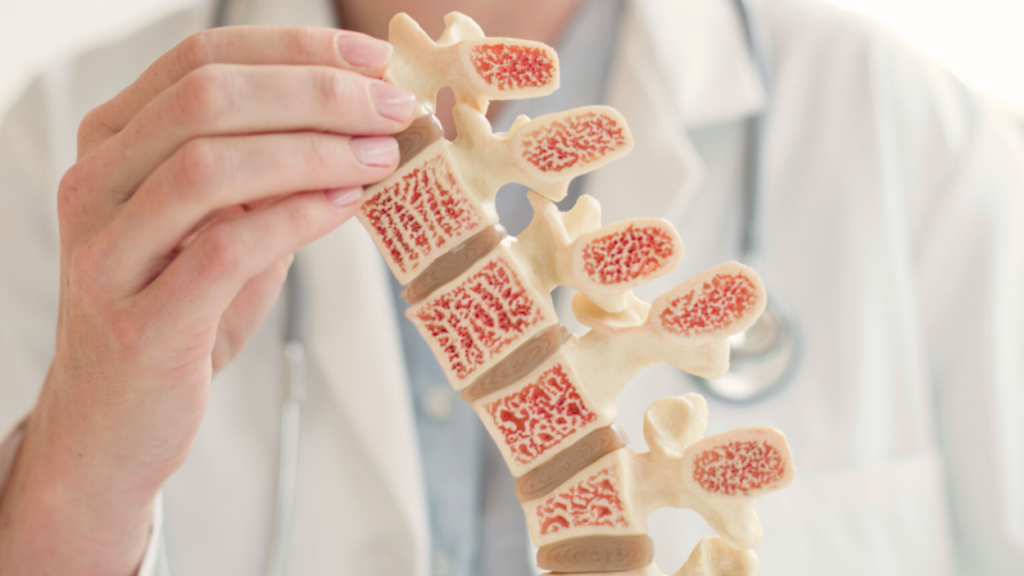
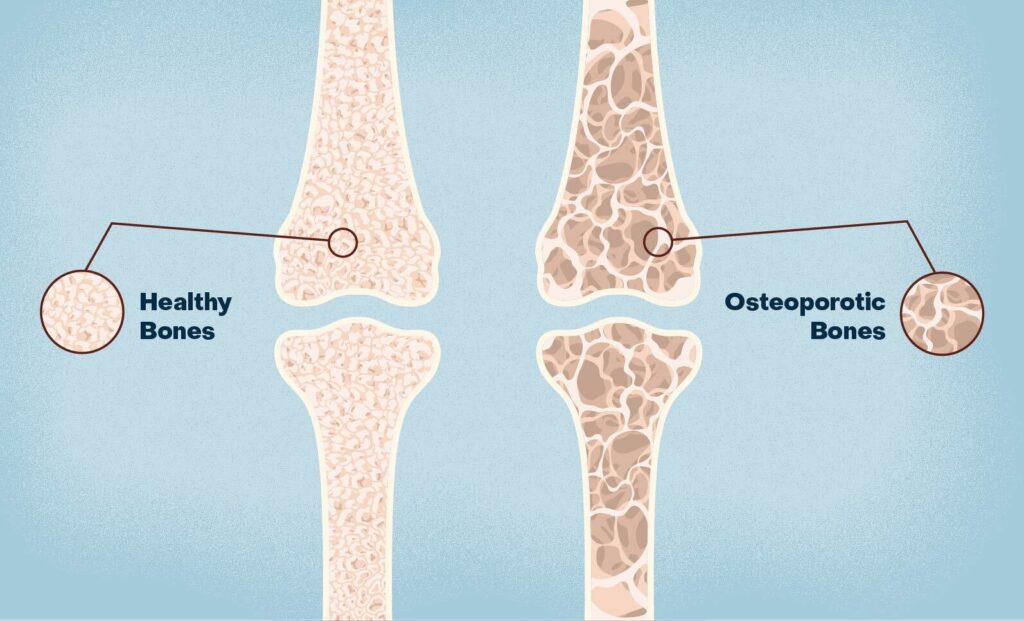
Osteoporosis is a condition characterized by reduced bone density and deterioration of bone structure. As bones lose strength, they become more susceptible to fractures even with minor falls or routine activities.
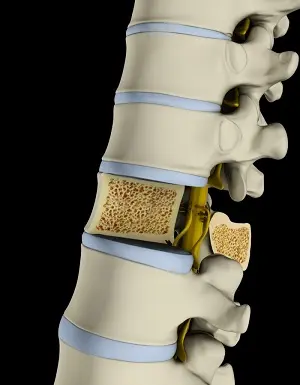
In the spine, osteoporosis can lead to compression fractures, resulting in pain, height loss, and changes in posture.
Common Causes of Osteoporosis
Age-Related Bone Loss
Bone density naturally decreases with age, especially after middle age.
Hormonal Changes
- Reduced estrogen levels in women after menopause
- Hormonal imbalances affecting bone metabolism
Nutritional Deficiency
- Low calcium intake
- Vitamin D deficiency
Lifestyle Factors
- Lack of physical activity
- Smoking
- Excessive alcohol consumption
Call For More Info
+91. 85549 90487
Let’s Request a Schedule For Consultation
Common Symptoms of Osteoporosis
Osteoporosis is often called a “silent condition” because symptoms may not appear early.
When symptoms do occur, they may include:
- Back pain
- Loss of height over time
- Stooped posture (kyphosis)
- Fractures occurring with minimal trauma
Common Approaches to Managing Osteoporosis
Medical Management
- Bone-strengthening medications
- Calcium and vitamin D supplementation
- Medications to improve bone density
Lifestyle Modifications
- Regular weight-bearing exercises
- Balanced diet rich in calcium and nutrients
- Avoiding smoking and excessive alcohol
Fall Prevention
- Improving balance and coordination
- Making home environments safer
- Using assistive devices if needed
Role of Physiotherapy
Physiotherapy plays an important role in:
- Strengthening muscles
- Improving posture
- Enhancing balance and coordination
- Reducing risk of falls
Recovery and Long-Term Care
Osteoporosis requires ongoing management, including:
- Regular follow-up
- Monitoring bone density
- Adjusting treatment plans
- Maintaining an active lifestyle
Preventing Osteoporosis
Steps to reduce risk include:
- Adequate calcium and vitamin D intake
- Regular physical activity
- Early screening in at-risk individuals
- Maintaining a healthy lifestyle
Final Note
Osteoporosis is a common but manageable condition. With early diagnosis, proper treatment, and lifestyle changes, the risk of fractures can be significantly reduced.
If you have risk factors or symptoms suggestive of osteoporosis, consult a Dr. Rajesh Parasnis, Spine Surgeon in Pune, a healthcare professional for Osteoporosis Treatment in Pune, evaluation and guidance.

Trustindex verifies that the original source of the review is Google. Posted on GoogleTrustindex verifies that the original source of the review is Google. Posted on GoogleTrustindex verifies that the original source of the review is Google. GoodPosted on GoogleTrustindex verifies that the original source of the review is Google. Posted on GoogleTrustindex verifies that the original source of the review is Google.