
Spondylolisthesis
Dr. Rajesh Parasnis - Best Spine Surgeon I Scoliosis Surgery Expert
Dr. Rajesh Parasnis is a highly esteemed and accomplished Spine Surgeon, with over two decades of unparalleled expertise in diagnosing and treating complex spinal conditions.
Spondylolisthesis: Understanding Spinal Slippage and Its Impact
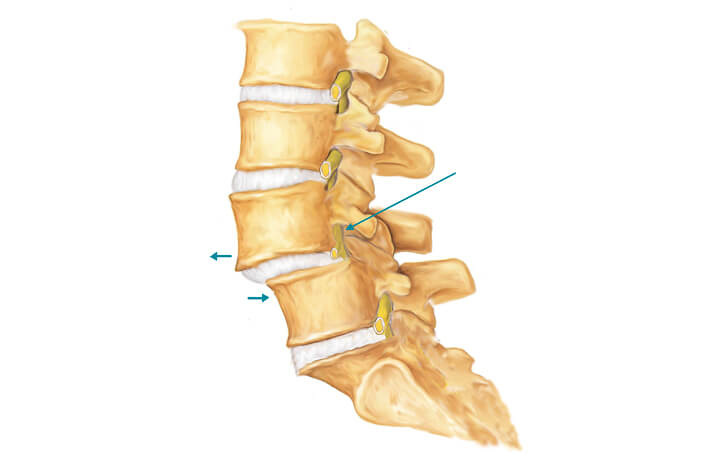
Spondylolisthesis is a condition in which one vertebra slips forward over the vertebra below it. This shift can affect spinal alignment, stability, and in some cases, put pressure on nearby nerves.
The condition may develop gradually or occur due to injury, and its impact can range from mild discomfort to significant pain and nerve-related symptoms.
This page explains what spondylolisthesis is, its causes, symptoms, and how it is commonly evaluated and managed.
What Is Spondylolisthesis?
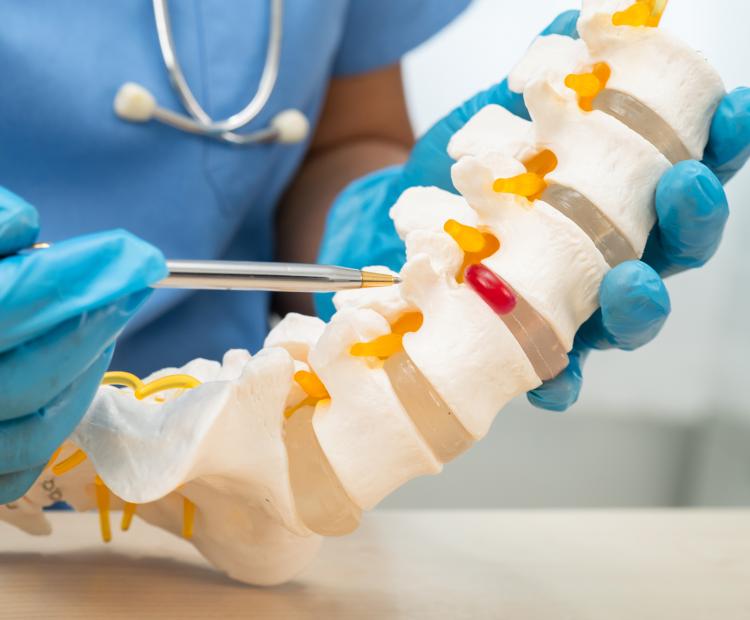
Spondylolisthesis refers to the forward displacement of one vertebra over another. It most commonly occurs in the lower back (lumbar spine), although it can also affect other regions.
The degree of slippage can vary and is often classified based on severity.
Common Causes of Spondylolisthesis
Degenerative Changes
- Age-related wear and tear of discs and joints
- Most common in older adults
Congenital Factors
- Abnormal formation of the spine present from birth
Stress or Overuse
- Repetitive strain or stress fractures (common in athletes)
Trauma or Injury
- Fractures or injuries affecting spinal stability
Pathological Causes
- Bone weakening due to tumors or infections
Call For More Info
+91. 85549 90487
Let’s Request a Schedule For Consultation
Common Symptoms of Spondylolisthesis
Symptoms may vary depending on severity:
- Lower back pain
- Pain that worsens with standing or walking
- Stiffness and reduced flexibility
- Muscle tightness (especially hamstrings)
- Pain radiating to the legs (sciatica)
Neurological Symptoms (Require Medical Attention)
- Numbness or tingling in legs
- Weakness in lower limbs
- Difficulty walking
- Loss of bladder or bowel control (rare but serious)
Common Approaches to Managing Spondylolisthesis
Conservative (Non-Surgical) Management
Many cases can be managed with:
- Physiotherapy and strengthening exercises
- Pain-relieving medications
- Activity modification
- Posture correction
Interventional Treatments
In selected cases:
- Epidural injections
- Nerve blocks
Surgical Management
Surgery may be considered if:
- Symptoms are severe or progressive
- Nerve compression is significant
- Conservative treatment fails
- There is spinal instability
Surgical options may involve decompression and stabilization (fusion).
Recovery and Rehabilitation
Rehabilitation focuses on:
- Strengthening core and back muscles
- Improving flexibility
- Gradual return to daily activities
- Long-term posture and lifestyle management
Preventing Progression
While not all cases can be prevented, progression can be managed by:
- Maintaining proper posture
- Regular exercise and core strengthening
- Avoiding excessive strain
- Early treatment of symptoms
Final Note
Spondylolisthesis is a manageable condition when diagnosed early and treated appropriately. With the right combination of therapy, lifestyle changes, and medical care, many patients experience significant improvement and maintain an active lifestyle.
If you experience persistent back pain or related symptoms, consult a healthcare professional for proper evaluation and guidance.

Trustindex verifies that the original source of the review is Google. Posted on GoogleTrustindex verifies that the original source of the review is Google. Posted on GoogleTrustindex verifies that the original source of the review is Google. GoodPosted on GoogleTrustindex verifies that the original source of the review is Google. Posted on GoogleTrustindex verifies that the original source of the review is Google.