
Ankylosing Spondylitis
Dr. Rajesh Parasnis - Best Spine Surgeon I Ankylosing Spondylitis Expert
Dr. Rajesh Parasnis is a highly esteemed and accomplished Spine Surgeon in Pune, with over two decades of unparalleled expertise in diagnosing and treating complex spinal conditions like Ankylosing Spondylitis.
Ankylosing Spondylitis: Understanding Inflammatory Spine Disease
Ankylosing spondylitis is a chronic inflammatory condition that primarily affects the spine and sacroiliac joints. Over time, it can lead to stiffness, reduced flexibility, and in some cases, fusion of the vertebrae.
The condition often begins with mild symptoms and progresses gradually, making early diagnosis and management important to maintain mobility and quality of life.
This page explains what ankylosing spondylitis is, its causes, symptoms, and how it is commonly evaluated and managed.
What Is the Sciatic Nerve?
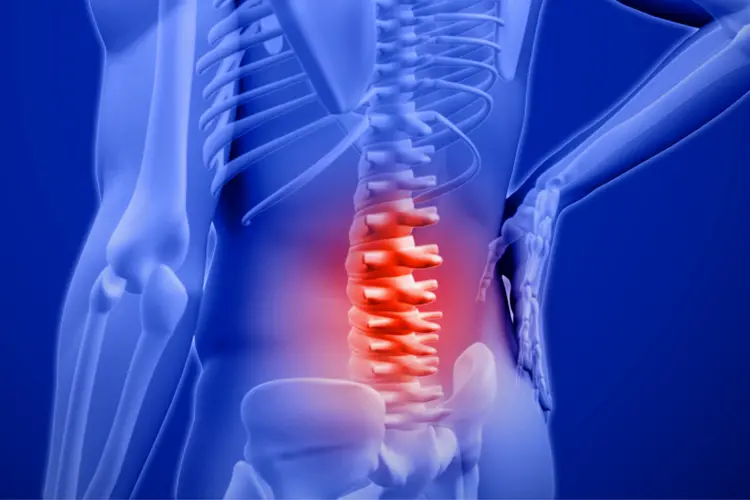
Ankylosing spondylitis is a type of inflammatory arthritis that affects the spine. It causes inflammation in the joints and ligaments of the spine, which can lead to pain and stiffness.
In advanced cases, the vertebrae may fuse together, resulting in reduced spinal movement and a more rigid posture.
Common Causes and Risk Factors
Genetic Factors
- Strong association with the HLA-B27 gene
- Family history may increase risk
Immune System Activity
- The body’s immune system mistakenly causes inflammation in spinal joints
Age and Gender
- Typically begins in early adulthood
- More common in men, but can affect women as well
Areas Commonly Affected
- Lower back (sacroiliac joints)
- Spine (progressing upward)
- Hips and shoulders (in some cases)
Call For More Info
+91. 85549 90487
Let’s Request a Schedule For Consultation
Common Symptoms of Ankylosing Spondylitis
Symptoms often develop gradually and may include:
- Persistent lower back pain
- Morning stiffness that improves with activity
- Reduced flexibility of the spine
- Pain that worsens after rest
- Fatigue
Advanced Symptoms
- Stooped posture
- Limited spinal movement
- Chest tightness (due to reduced rib movement)
Common Approaches to Managing Ankylosing Spondylitis
Medical Management
- Anti-inflammatory medications
- Disease-modifying drugs (as advised)
- Pain management
Surgical Management (In Selected Cases)
- Severe deformity develops
- Joint damage significantly affects function
Physiotherapy and Exercise
- Stretching and flexibility exercises
- Posture correction
- Breathing exercises
- Strengthening programs
Monitoring and Follow-Up
- Regular medical follow-up
- Monitoring disease progression
- Adjusting treatment plans
Lifestyle Modifications
- Maintaining good posture
- Regular physical activity
- Avoiding prolonged inactivity
Living Well with Ankylosing Spondylitis
- Staying physically active
- Following exercise routines
- Maintaining proper posture
- Attending regular check-ups
Final Note
Ankylosing spondylitis is a chronic condition that requires long-term management. With early diagnosis, appropriate treatment, and consistent physiotherapy, many individuals can maintain mobility and lead active lives.
If you experience persistent back pain or stiffness, especially at a young age, consult Dr. Rajesh Parasnis, Spine Specialist in Pune, a healthcare professional for Ankylosing Spondylitis treatment in Pune, proper evaluation and guidance.

Trustindex verifies that the original source of the review is Google. Posted on GoogleTrustindex verifies that the original source of the review is Google. Posted on GoogleTrustindex verifies that the original source of the review is Google. GoodPosted on GoogleTrustindex verifies that the original source of the review is Google. Posted on GoogleTrustindex verifies that the original source of the review is Google.