
Robotic Spine Surgery
Dr. Rajesh Parasnis - Best Spine Surgeon I Scoliosis Surgery Expert
Dr. Rajesh Parasnis is a highly esteemed and accomplished Spine Surgeon, with over two decades of unparalleled expertise in diagnosing and treating complex spinal conditions.
Robotic Spine Surgery: Precision-Driven Advanced Spine Care
Robotic spine surgery is an advanced, minimally invasive surgical technique that uses robotic-assisted technology to enhance precision, accuracy, and safety during spine procedures. It helps surgeons perform complex operations with improved control and better outcomes.
This technology supports detailed pre-surgical planning and real-time guidance, resulting in smaller incisions, reduced complications, and faster recovery.
This page explains what robotic spine surgery is, its uses, symptoms that may require it, and how it is commonly managed.
What Is Robotic Spine Surgery?
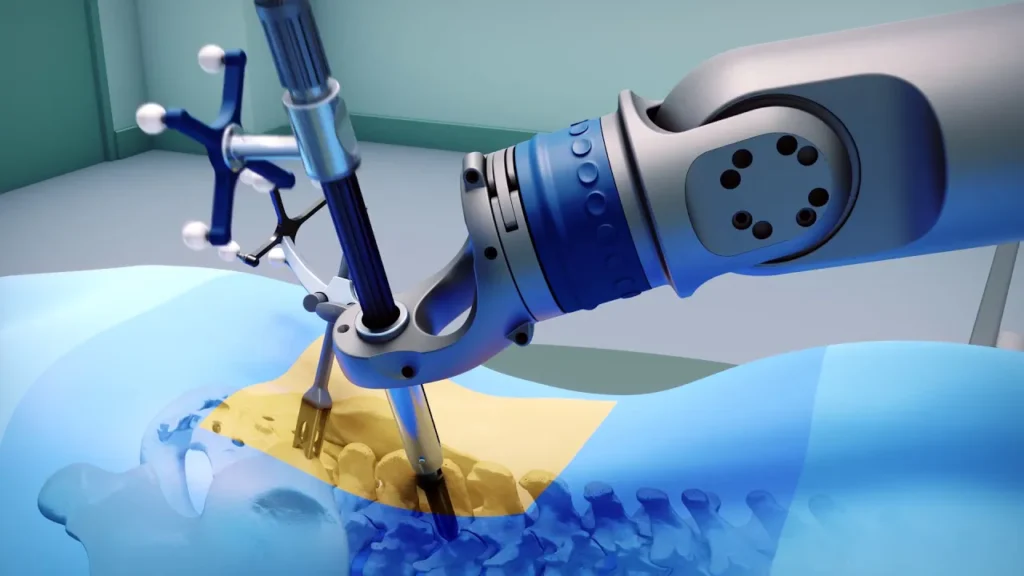
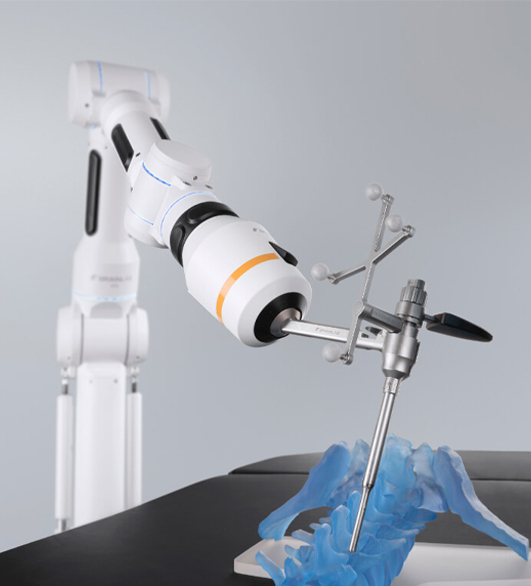
Robotic spine surgery involves the use of computer-assisted robotic systems that guide the surgeon in placing implants and performing delicate spine procedures with high precision.
The surgeon remains in full control throughout the procedure, while the robotic system enhances accuracy based on 3D imaging and pre-planned surgical mapping.
Common Causes and Risk Factors
Degenerative Disc Disease
Age-related wear and tear of spinal discs
Herniated Disc
Disc material pressing on nerves causing pain and discomfort
Spinal Stenosis
Narrowing of the spinal canal leading to nerve compression
Scoliosis and Spinal Deformities
Abnormal curvature or alignment of the spine
Spinal Instability
Weakness or abnormal movement between vertebrae
Spinal Fractures
Injuries affecting spinal stability
Call For More Info
+91. 85549 90487
Let’s Request a Schedule For Consultation
Common Symptoms Indicating Need for Robotic Spine Surgery
Pain Symptoms
Persistent neck or back pain
Pain radiating to arms or legs
Neurological Symptoms
Numbness or tingling
Muscle weakness
Nerve compression symptoms
Functional Limitations
Difficulty walking or standing for long periods
Reduced mobility and flexibility
Advanced Symptoms
Spinal deformity or instability
Loss of coordination or balance
Common Approaches to Managing Robotic Spine Surgery Conditions
Conservative Management (Before Surgery)
Medications for pain relief
Physiotherapy and exercise programs
Lifestyle and posture modifications
Robotic-Assisted Surgical Treatment
Minimally invasive spine procedures
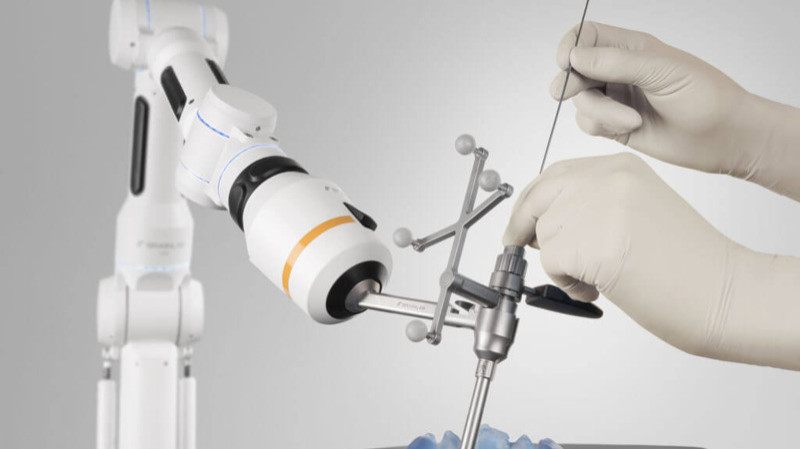
Accurate placement of screws and implants
Reduced tissue damage and blood loss
Enhanced surgical precision using 3D imaging
Post-Surgical Rehabilitation
Physiotherapy for strength and mobility
Gradual return to normal activities
Pain management and recovery support
Monitoring and Follow-Up
Regular check-ups to assess healing
Imaging studies to evaluate surgical outcomes
Ongoing rehabilitation guidance
Lifestyle Modifications
Maintaining proper posture
Avoiding heavy lifting or strain
Regular exercise and weight management
Living Well After Robotic Spine Surgery
Following rehabilitation programs consistently
Maintaining spinal health through exercise
Adopting healthy daily habits
Regular follow-ups with your spine specialist
Final Note
Robotic spine surgery represents a significant advancement in modern spine care, offering greater precision, safety, and improved recovery outcomes. It is especially beneficial for complex spine conditions that require high accuracy.
If you are experiencing persistent spine-related symptoms, consult a specialist to determine whether robotic-assisted surgery is the right option for you.

Trustindex verifies that the original source of the review is Google. Posted on GoogleTrustindex verifies that the original source of the review is Google. Posted on GoogleTrustindex verifies that the original source of the review is Google. GoodPosted on GoogleTrustindex verifies that the original source of the review is Google. Posted on GoogleTrustindex verifies that the original source of the review is Google.