

Vertebral Column Resection (VCR)
Dr. Rajesh Parasnis - Best Spine Surgeon I Scoliosis Surgery Expert
Dr. Rajesh Parasnis is a highly esteemed and accomplished Spine Surgeon, with over two decades of unparalleled expertise in diagnosing and treating complex spinal conditions.
Vertebral Column Resection (VCR): Advanced Surgery for Severe Spinal Deformities
Vertebral Column Resection (VCR) is a highly specialized and complex spine surgery used to correct severe and rigid spinal deformities. It is typically recommended when other surgical techniques are not sufficient to achieve proper alignment.
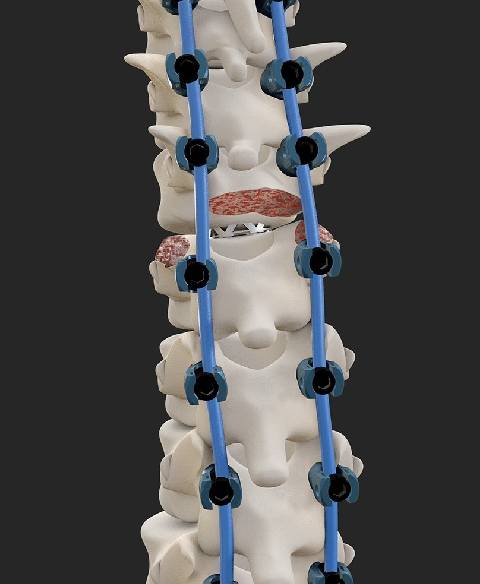
The procedure involves removing a portion or the entire vertebra to allow significant correction of the spine, followed by stabilization using advanced instrumentation.
This page explains what VCR is, its causes, symptoms, and common approaches to management.
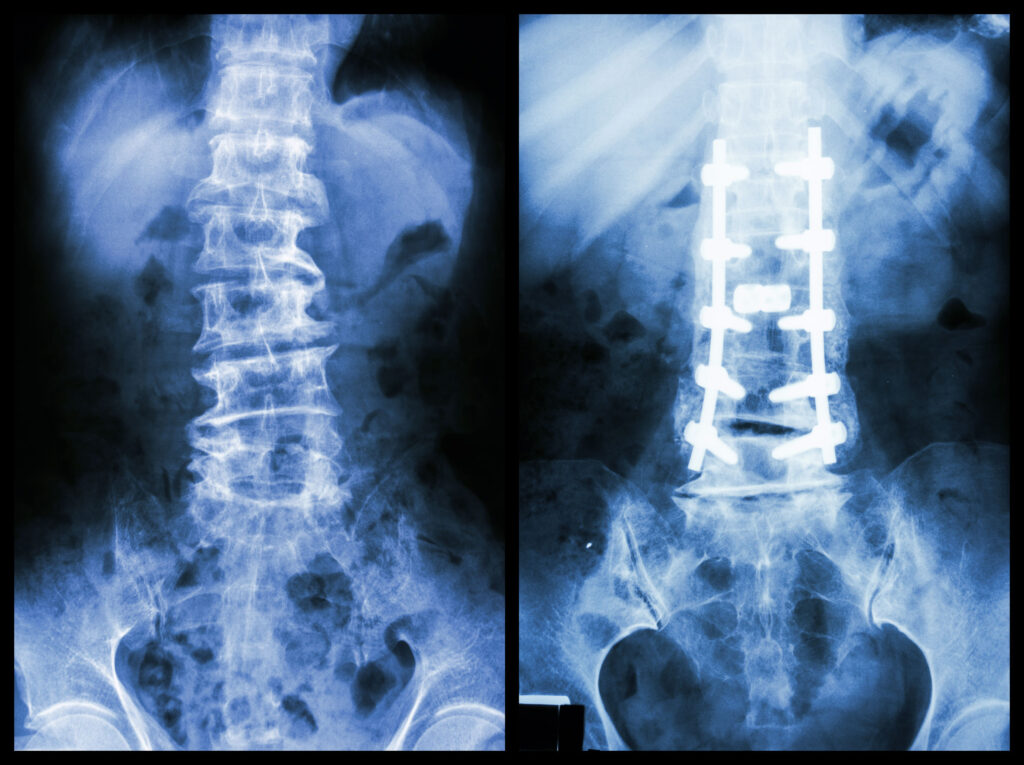
What Is Vertebral Column Resection (VCR)?
VCR is a surgical technique in which one or more vertebrae are partially or completely removed to correct severe spinal deformities. This allows the surgeon to realign the spine in all planes and achieve optimal balance.
After correction, the spine is stabilized using rods, screws, and bone grafts to ensure long-term support and fusion.
Common Causes and Conditions Requiring VCR
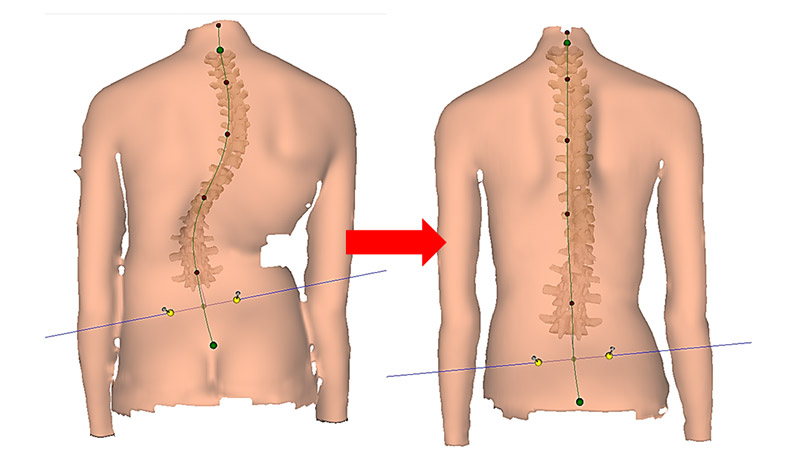
Severe Scoliosis
Advanced sideways curvature that is rigid and progressive
Severe Kyphosis
Excessive forward curvature causing deformity and imbalance
Congenital Spinal Deformities
Abnormal spinal development present at birth
Post-Traumatic Deformity
Severe misalignment following spinal injury or fractures
Spinal Tumors
Tumor-related deformity requiring vertebral removal
Failed Previous Spine Surgeries
Persistent or worsening deformity after earlier procedures
Call For More Info
+91. 85549 90487
Let’s Request a Schedule For Consultation
Common Symptoms Indicating Need for VCR
Severe Postural Deformity
Visible spinal curvature or imbalance
Difficulty maintaining upright posture
Pain Symptoms
Chronic and severe back pain
Pain affecting daily life
Neurological Symptoms
Numbness or tingling
Muscle weakness
Nerve compression symptoms
Functional Limitations
Difficulty walking or performing routine activities
Reduced mobility
Advanced Symptoms
Breathing difficulties in severe deformities
Progressive worsening of spinal condition
Common Approaches to Managing VCR Conditions
Conservative Management (Before Surgery)
Pain management
Physiotherapy and posture support
Monitoring in selected cases
Surgical Management (Vertebral Column Resection)
Partial or complete removal of vertebra
Correction of spinal alignment in multiple planes
Stabilization using rods, screws, and implants
Spinal fusion to ensure long-term stability
Post-Surgical Rehabilitation
Physiotherapy to restore strength and mobility
Gradual return to daily activities
Pain management and recovery support
Monitoring and Follow-Up
Regular clinical and imaging evaluations
Assessment of spinal alignment and fusion
Long-term follow-up care
Lifestyle Modifications
Maintaining proper posture
Avoiding excessive strain on the spine
Following medical and rehabilitation advice
Living Well After VCR
Adhering to rehabilitation programs
Maintaining spinal strength and flexibility
Regular check-ups with your specialist
Adopting a healthy and active lifestyle
Final Note
Vertebral Column Resection is one of the most advanced procedures in spine surgery, designed for severe and complex deformities. With expert surgical care and dedicated rehabilitation, patients can achieve significant improvement in alignment, function, and quality of life.
Consult a spine specialist to determine whether VCR is the right treatment option for your condition.

Trustindex verifies that the original source of the review is Google. Posted on GoogleTrustindex verifies that the original source of the review is Google. Posted on GoogleTrustindex verifies that the original source of the review is Google. GoodPosted on GoogleTrustindex verifies that the original source of the review is Google. Posted on GoogleTrustindex verifies that the original source of the review is Google.