Spinal Osteotomy
Dr. Rajesh Parasnis - Best Spine Surgeon I Scoliosis Surgery Expert
Dr. Rajesh Parasnis is a highly esteemed and accomplished Spine Surgeon, with over two decades of unparalleled expertise in diagnosing and treating complex spinal conditions.
Spinal Osteotomy: Correcting Severe Spinal Deformities
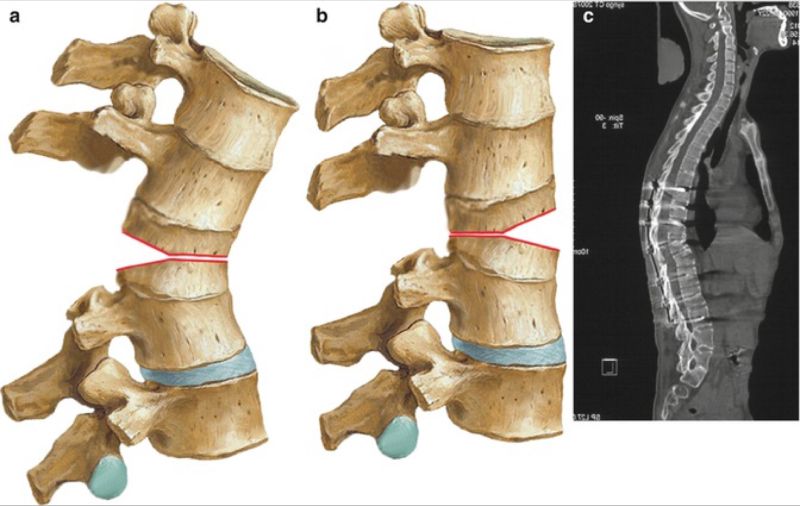
Spinal osteotomy is an advanced surgical procedure used to correct severe spinal deformities by cutting and realigning the bones of the spine. It is typically recommended when there is significant curvature, imbalance, or deformity that cannot be corrected with simpler procedures.
The goal of spinal osteotomy is to restore proper spinal alignment, relieve pain, and improve posture and overall function.
This page explains what spinal osteotomy is, its causes, symptoms, and common approaches to management.
What Is Spinal Osteotomy?
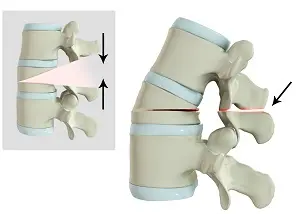
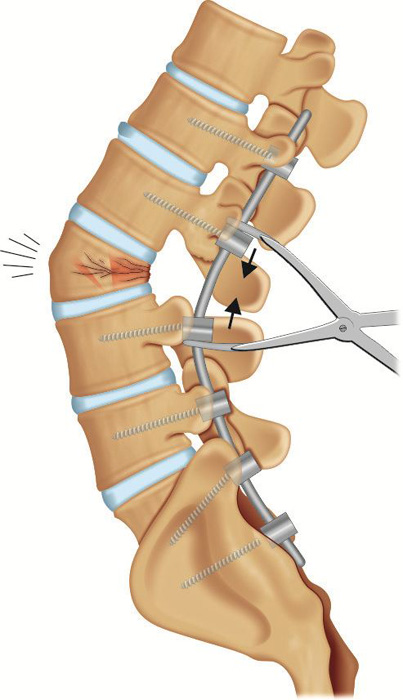
Spinal osteotomy involves removing or reshaping a portion of the vertebral bone to allow the spine to be repositioned into a more natural alignment. The corrected position is then stabilized using screws, rods, and other implants.
This procedure is often performed in combination with spinal fusion to maintain long-term stability.
Common Causes and Conditions Requiring Spinal Osteotomy
Severe Kyphosis
Excessive forward curvature of the spine
Scoliosis
Abnormal sideways curvature of the spine
Fixed Spinal Deformity
Rigid deformities that cannot be corrected with non-surgical methods
Post-Traumatic Deformity
Spinal misalignment following injury or fractures
Degenerative Spine Conditions
Advanced degeneration causing imbalance and deformity
Failed Previous Spine Surgery
Persistent deformity or imbalance after earlier procedures
Call For More Info
+91. 85549 90487
Let’s Request a Schedule For Consultation
Common Symptoms Indicating Need for Spinal Osteotomy
Postural Changes
Severe spinal curvature
Stooped or imbalanced posture
Pain Symptoms
Chronic back or neck pain
Pain affecting daily activities
Functional Limitations
Difficulty standing upright
Reduced mobility and flexibility
Neurological Symptoms
Numbness or weakness
Nerve compression symptoms
Severe Symptoms
Difficulty breathing (in severe deformities)
Progressive worsening of spinal alignment
Common Approaches to Managing Spinal Osteotomy Conditions
Conservative Management (Before Surgery)
Pain medications
Physiotherapy and posture training
Bracing in selected cases
Surgical Management (Spinal Osteotomy)
Removal or reshaping of vertebral bone
Correction of spinal alignment
Stabilization using rods, screws, and implants
Often combined with spinal fusion for long-term support
Post-Surgical Rehabilitation
Physiotherapy for strength and mobility
Gradual return to daily activities
Pain management and recovery care
Monitoring and Follow-Up
Regular clinical evaluations
Imaging to assess alignment and healing
Long-term follow-up to maintain correction
Lifestyle Modifications
Maintaining proper posture
Avoiding excessive strain on the spine
Regular exercise as advised
Living Well After Spinal Osteotomy
Following rehabilitation programs consistently
Maintaining spinal strength and flexibility
Regular medical check-ups
Adopting a healthy lifestyle
Final Note
Spinal osteotomy is a complex but highly effective procedure for correcting severe spinal deformities and restoring balance. With proper surgical planning and dedicated rehabilitation, patients can experience significant improvement in posture, pain, and overall quality of life.
Consult a spine specialist to determine if spinal osteotomy is the appropriate treatment for your condition.

Trustindex verifies that the original source of the review is Google. Posted on GoogleTrustindex verifies that the original source of the review is Google. Posted on GoogleTrustindex verifies that the original source of the review is Google. GoodPosted on GoogleTrustindex verifies that the original source of the review is Google. Posted on GoogleTrustindex verifies that the original source of the review is Google.