

Revision Spine Surgery
Dr. Rajesh Parasnis - Best Spine Surgeon I Scoliosis Surgery Expert
Dr. Rajesh Parasnis is a highly esteemed and accomplished Spine Surgeon, with over two decades of unparalleled expertise in diagnosing and treating complex spinal conditions.
Revision Spine Surgery: Correcting and Improving Previous Spine Procedures
Revision spine surgery is a specialized procedure performed to address issues that persist or develop after an initial spine surgery. It may be required when symptoms continue, recur, or when complications affect the outcome of the original procedure.
This surgery aims to correct the underlying problem, relieve pain, restore function, and improve spinal stability.
This page explains what revision spine surgery is, its causes, symptoms, and how it is commonly evaluated and managed.

What Is Revision Spine Surgery?
Revision spine surgery refers to a second or subsequent surgical procedure performed on the spine to correct or improve the results of a previous surgery.
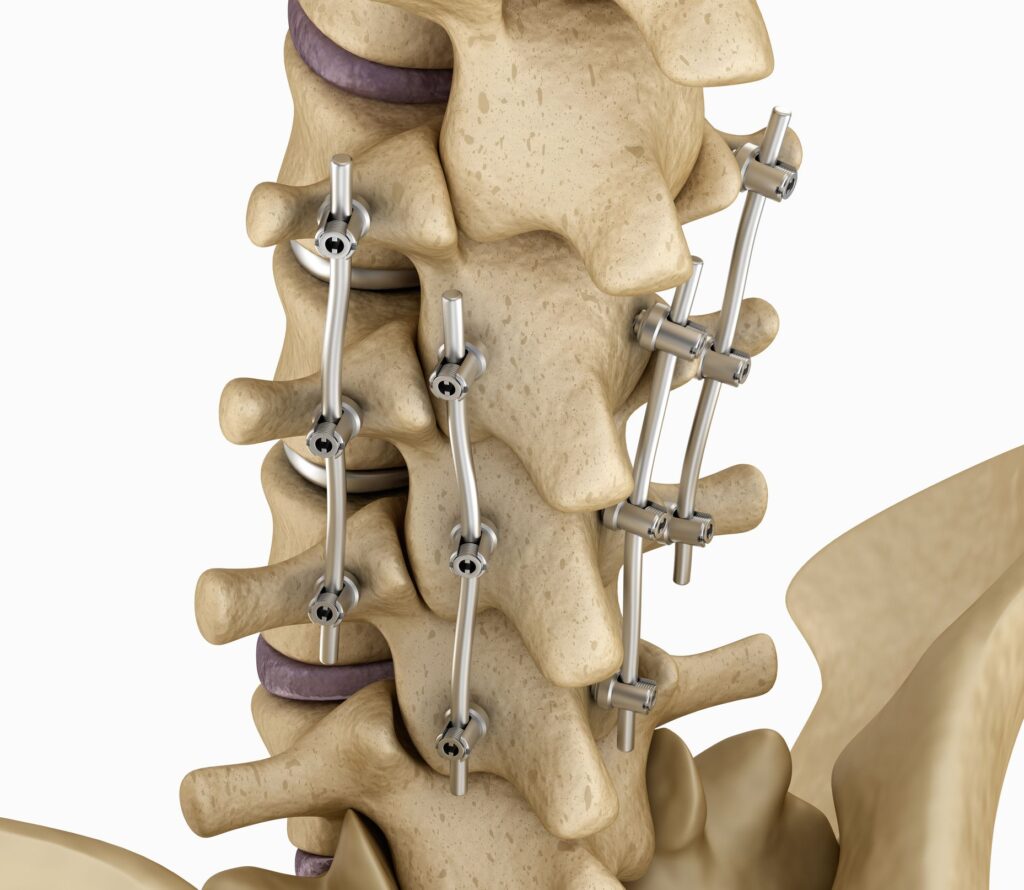
It may involve removing or replacing implants, decompressing nerves, correcting alignment, or stabilizing the spine using advanced surgical techniques.
Common Causes and Risk Factors
Persistent or Recurrent Symptoms
Continued pain or return of symptoms after initial surgery
Failed Spine Surgery (Failed Back Surgery Syndrome)
Incomplete relief of symptoms following prior procedure
Implant Failure or Loosening
Breakage or displacement of screws, rods, or cages
Adjacent Segment Disease
Degeneration of spinal segments next to a previous fusion
Infection
Post-surgical infection affecting healing and stability
Scar Tissue Formation
Excess scar tissue causing nerve compression
Spinal Instability or Deformity
Improper healing or progression of spinal problems
Call For More Info
+91. 85549 90487
Let’s Request a Schedule For Consultation
Common Symptoms Indicating Need for Revision Surgery
Pain Symptoms
Persistent or worsening back or neck pain
Pain radiating to arms or legs
Neurological Symptoms
Numbness or tingling
Muscle weakness
Nerve-related pain
Functional Limitations
Difficulty performing daily activities
Reduced mobility or flexibility
Advanced Symptoms
Spinal deformity or instability
Loss of function or coordination
Common Approaches to Managing Revision Spine Surgery Conditions
Conservative Management (In Selected Cases)
Pain medications
Physical therapy and rehabilitation
Lifestyle modifications
Surgical Management (Revision Spine Surgery)
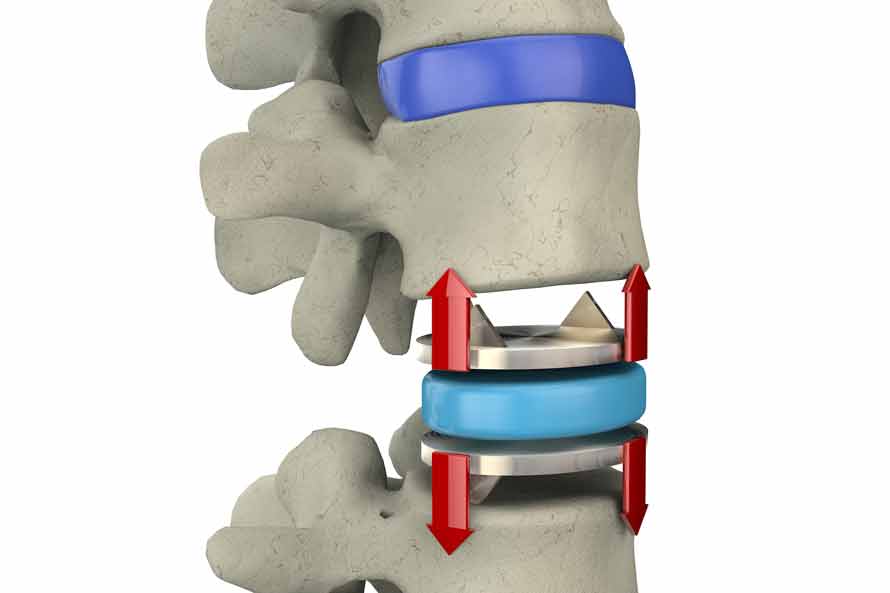
Removal or replacement of failed implants
Decompression of affected nerves
Correction of spinal alignment
Spinal fusion or stabilization procedures
Use of advanced imaging and navigation techniques
Physiotherapy and Rehabilitation
Strengthening and mobility exercises
Posture correction
Gradual return to daily activities
Monitoring and Follow-Up
Regular clinical and imaging evaluations
Monitoring healing and recovery
Adjusting treatment plans as needed
Lifestyle Modifications
Avoiding strain on the spine
Maintaining proper posture
Following medical and rehabilitation advice
Living Well After Revision Spine Surgery
Adhering to rehabilitation protocols
Maintaining spinal health
Regular follow-ups with your doctor
Adopting a healthy and active lifestyle
Final Note
Revision spine surgery is a complex but effective solution for addressing complications or unsatisfactory outcomes of previous spine procedures. With careful evaluation, expert surgical planning, and consistent rehabilitation, many patients achieve significant improvement in pain and function.
If you continue to experience symptoms after spine surgery, consult a spine specialist for proper assessment and guidance on the next steps.

Trustindex verifies that the original source of the review is Google. Posted on GoogleTrustindex verifies that the original source of the review is Google. Posted on GoogleTrustindex verifies that the original source of the review is Google. GoodPosted on GoogleTrustindex verifies that the original source of the review is Google. Posted on GoogleTrustindex verifies that the original source of the review is Google.