

Kyphosis Correction Surgery
Dr. Rajesh Parasnis - Best Spine Surgeon I Scoliosis Surgery Expert
Dr. Rajesh Parasnis is a highly esteemed and accomplished Spine Surgeon, with over two decades of unparalleled expertise in diagnosing and treating complex spinal conditions.
Kyphosis Correction Surgery: Restoring Spinal Alignment and Posture
Kyphosis correction surgery is a specialized spinal procedure performed to treat abnormal forward curvature of the spine (kyphosis). While mild kyphosis may not require treatment, severe cases can lead to pain, deformity, and breathing or neurological problems.
This surgery aims to correct spinal alignment, reduce deformity, and improve both function and quality of life.
This page explains what kyphosis correction surgery is, its causes, symptoms, and how it is commonly evaluated and managed.
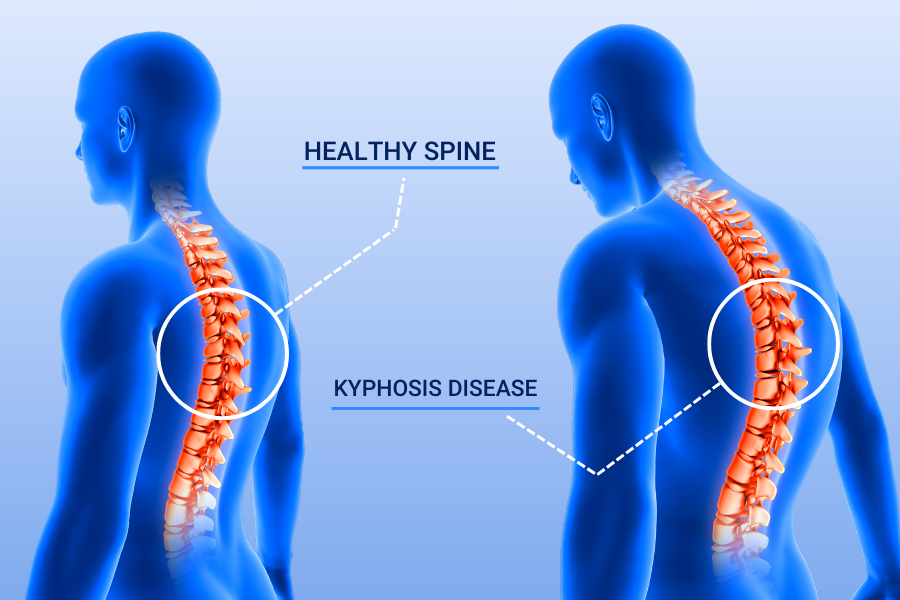
What Is Kyphosis Correction Surgery?
Kyphosis correction surgery involves realigning the spine by correcting excessive curvature and stabilizing it using rods, screws, and sometimes bone grafts. The procedure may include techniques such as osteotomy (cutting and reshaping bone) to achieve proper alignment.
The goal is to restore a more natural spinal curvature, relieve pressure on the spinal cord, and improve posture and balance.
Common Causes and Risk Factors
Postural Kyphosis
Poor posture leading to exaggerated spinal curvature
Common in adolescents and young adults
Scheuermann’s Disease
Developmental disorder causing structural kyphosis
Irregular vertebral growth
Osteoporosis
Weak bones leading to compression fractures
Progressive spinal curvature
Congenital Kyphosis
Abnormal spinal development present at birth
Spinal Trauma or Infection
Injuries or infections affecting spinal structure
Degenerative Spine Conditions
Age-related changes leading to deformity
Call For More Info
+91. 85549 90487
Let’s Request a Schedule For Consultation
Common Symptoms of Kyphosis
Postural Changes
Visible forward rounding of the back
Hunched or stooped posture
Pain Symptoms
Back pain and stiffness
Fatigue after prolonged standing or sitting
Mobility Issues
Reduced flexibility of the spine
Difficulty maintaining upright posture
Advanced Symptoms
Severe deformity affecting appearance
Breathing difficulties (in severe cases)
Neurological symptoms if spinal cord is compressed

Common Approaches to Managing Kyphosis Correction Conditions
Conservative Management (In Mild Cases)
Posture correction exercises
Physical therapy
Pain management
Bracing (in growing children or adolescents)
Surgical Management (Kyphosis Correction Surgery)
Spinal realignment using rods and screws
Osteotomy for deformity correction
Bone grafting for fusion
Advanced surgical techniques for precision and safety
Physiotherapy and Rehabilitation
Posture training and strengthening exercises
Gradual increase in mobility
Breathing exercises (if required)
Monitoring and Follow-Up
Regular clinical and radiological evaluation
Monitoring spinal alignment and healing
Adjusting rehabilitation programs
Lifestyle Modifications
Maintaining good posture
Regular exercise and stretching
Avoiding prolonged sitting or poor posture habits
Living Well After Kyphosis Correction Surgery
Following rehabilitation guidelines
Maintaining spinal health
Attending regular follow-ups
Gradual return to normal activities
Final Note
Kyphosis correction surgery is an effective option for treating severe spinal curvature and restoring proper alignment. With timely intervention, expert surgical care, and consistent rehabilitation, patients can achieve significant improvement in posture, function, and overall quality of life.
If you notice abnormal spinal curvature or persistent back pain, consult a spine specialist for accurate diagnosis and appropriate treatment.

Trustindex verifies that the original source of the review is Google. Posted on GoogleTrustindex verifies that the original source of the review is Google. Posted on GoogleTrustindex verifies that the original source of the review is Google. GoodPosted on GoogleTrustindex verifies that the original source of the review is Google. Posted on GoogleTrustindex verifies that the original source of the review is Google.