
C1–C2 Fixation
Dr. Rajesh Parasnis - Best Spine Surgeon I Scoliosis Surgery Expert
Dr. Rajesh Parasnis is a highly esteemed and accomplished Spine Surgeon, with over two decades of unparalleled expertise in diagnosing and treating complex spinal conditions.
C1–C2 Fixation: Stabilizing the Upper Cervical Spine
C1–C2 fixation is a specialized spinal procedure used to stabilize the uppermost part of the cervical spine, specifically the atlas (C1) and axis (C2) vertebrae. These vertebrae are essential for supporting the head and enabling its rotation.
Instability in this region can be serious, as it may affect the spinal cord and vital neurological functions. Early diagnosis and appropriate treatment are crucial to prevent complications and restore stability.
This page explains what C1–C2 fixation is, its causes, symptoms, and how it is commonly evaluated and managed.
What Is the C1–C2 Fixation?
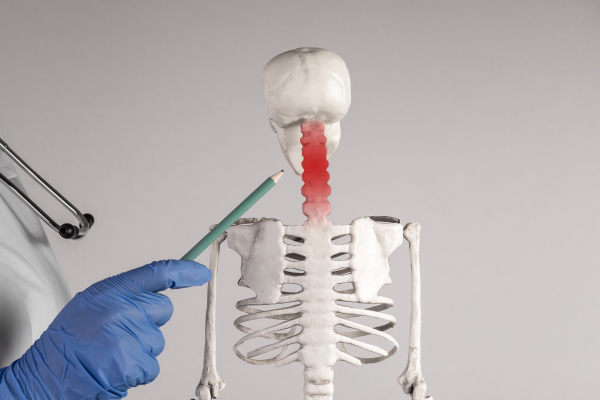
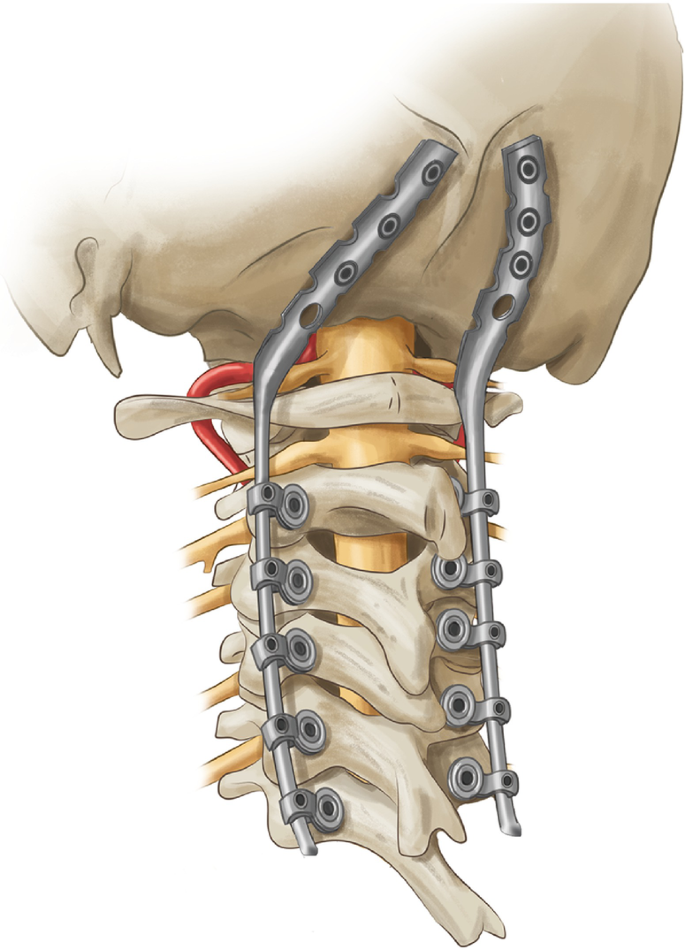
C1–C2 fixation is a surgical procedure performed to stabilize the joint between the first two cervical vertebrae. It involves the use of screws, rods, or other implants to hold the bones in proper alignment.
The procedure is often combined with bone grafting to promote fusion between the vertebrae, ensuring long-term stability and preventing abnormal movement that could damage the spinal cord.
Common Causes and Risk Factors
Trauma and Injury
Fractures of C1 or C2 (such as odontoid fractures)
Road accidents or falls
Atlantoaxial Instability
Excessive movement between C1 and C2
May be due to ligament weakness or injury
Rheumatoid Arthritis
Chronic inflammation affecting cervical spine joints
Can weaken ligaments and cause instability
Congenital Conditions
Abnormal development of cervical vertebrae
Conditions present since birth
Tumors or Infections
Growths affecting bone structure
Infections weakening the vertebrae
Degenerative Changes
Age-related wear and tear of spinal structures
Call For More Info
+91. 85549 90487
Let’s Request a Schedule For Consultation
Common Symptoms of Sciatica
Early Symptoms
Neck pain and stiffness
Restricted neck movement
Headaches at the base of the skull
Neurological Symptoms
Numbness or tingling in arms or legs
Weakness in limbs
Difficulty maintaining balance
Advanced Symptoms
Signs of spinal cord compression
Difficulty walking
Loss of coordination
Common Approaches to Managing Sciatica
Conservative Management (In Mild Cases)
Use of cervical collar for immobilization
Pain relief medications
Physiotherapy
Surgical Management (C1–C2 Fixation)
Placement of screws and rods to stabilize vertebrae
Bone grafting for spinal fusion
Minimally invasive or open surgical approach
Post-operative care and monitoring
Physiotherapy and Rehabilitation
Neck strengthening exercises
Gradual mobility restoration
Posture correction
Monitoring and Follow-Up
Regular imaging and clinical evaluation
Assessment of fusion and healing
Adjustments in rehabilitation plan
Lifestyle Modifications
Avoiding sudden neck movements
Maintaining proper posture
Following medical advice strictly
Final Note
C1–C2 fixation is a critical procedure for stabilizing the upper cervical spine and protecting the spinal cord. With timely intervention, proper surgical care, and consistent rehabilitation, patients can achieve good recovery and improved quality of life.
If you experience persistent neck pain, instability, or neurological symptoms, consult a spine specialist for accurate diagnosis and appropriate treatment.

Trustindex verifies that the original source of the review is Google. Posted on GoogleTrustindex verifies that the original source of the review is Google. Posted on GoogleTrustindex verifies that the original source of the review is Google. GoodPosted on GoogleTrustindex verifies that the original source of the review is Google. Posted on GoogleTrustindex verifies that the original source of the review is Google.