

Cervical Discectomy and Fusion
Dr. Rajesh Parasnis - Best Spine Surgeon I Scoliosis Surgery Expert
Dr. Rajesh Parasnis is a highly esteemed and accomplished Spine Surgeon, with over two decades of unparalleled expertise in diagnosing and treating complex spinal conditions.
Cervical Discectomy and Fusion: Relieving Neck Pain and Nerve Compression
Cervical Discectomy and Fusion (ACDF) is a commonly performed spine surgery used to treat conditions affecting the cervical (neck) spine. It is primarily recommended when a damaged or herniated disc compresses nearby nerves or the spinal cord, leading to pain, weakness, or numbness.
The procedure helps relieve pressure on the nerves and stabilizes the spine, allowing patients to regain function and improve their quality of life.
This page explains what cervical discectomy and fusion is, its causes, symptoms, and how it is commonly evaluated and managed.
What Is Cervical Discectomy and Fusion?
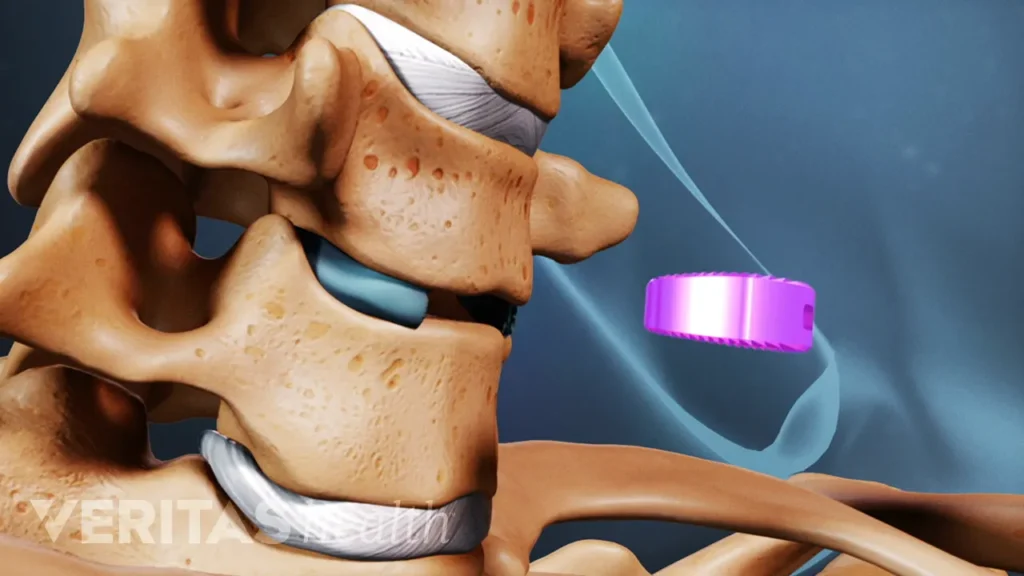
Cervical discectomy and fusion is a surgical procedure that involves removing a damaged or herniated disc from the cervical spine (discectomy) and then stabilizing the affected vertebrae by joining them together (fusion).
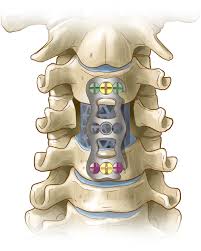
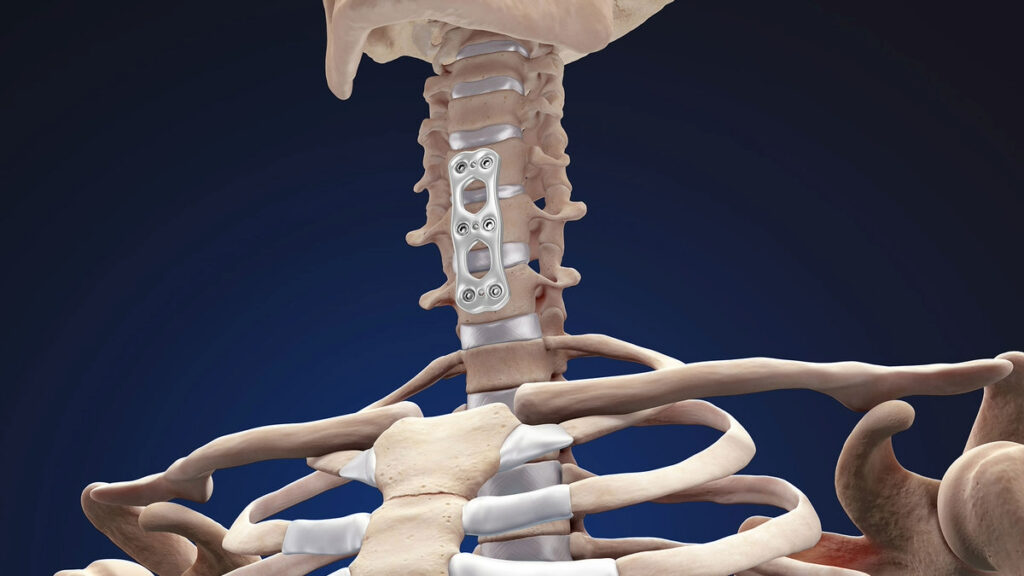
After the disc is removed, a bone graft or implant is placed between the vertebrae, and sometimes a plate and screws are used to provide additional support. Over time, the bones fuse together, creating a stable segment in the spine.
Common Causes and Risk Factors
Herniated Disc
Bulging or ruptured disc pressing on nerves
Common cause of neck and arm pain
Degenerative Disc Disease
Age-related wear and tear of spinal discs
Loss of disc height and flexibility
Cervical Spondylosis
Arthritic changes in the cervical spine
Formation of bone spurs compressing nerves
Spinal Stenosis
Narrowing of the spinal canal
Pressure on spinal cord or nerve roots
Trauma or Injury
Accidents causing disc damage or instability
Call For More Info
+91. 85549 90487
Let’s Request a Schedule For Consultation
Common Symptoms of Cervical Disc Problems
Neck-Related Symptoms
Persistent neck pain
Stiffness and reduced range of motion
Nerve Compression Symptoms
Pain radiating to shoulders and arms
Numbness or tingling in hands or fingers
Muscle weakness in upper limbs
Advanced Symptoms
Difficulty with coordination
Loss of balance
Signs of spinal cord compression (in severe cases)
Common Approaches to Managing Cervical Discectomy and Fusion Conditions
Conservative Management (In Mild Cases)
Pain relief medications
Physical therapy and exercises
Activity modification
Cervical collar support (if needed)
Surgical Management (Cervical Discectomy and Fusion)
Removal of damaged disc (discectomy)
Insertion of bone graft or cage for fusion
Use of plates and screws for stabilization
Minimally invasive or open surgical techniques
Physiotherapy and Rehabilitation
Neck strengthening exercises
Posture correction
Gradual return to daily activities
Monitoring and Follow-Up
Regular clinical check-ups
Imaging to assess fusion progress
Adjustment of recovery plan
Lifestyle Modifications
Maintaining proper neck posture
Avoiding heavy lifting or strain
Ergonomic workplace adjustments
Living Well After Cervical Discectomy and Fusion
Following rehabilitation guidelines
Avoiding sudden neck movements
Maintaining a healthy lifestyle
Regular follow-up with your doctor
Final Note
Cervical discectomy and fusion is an effective surgical solution for relieving nerve compression and stabilizing the cervical spine. With proper care, rehabilitation, and follow-up, most patients experience significant pain relief and improved function.
If you have persistent neck pain, arm pain, or neurological symptoms, consult a spine specialist for proper evaluation and treatment guidance.

Trustindex verifies that the original source of the review is Google. Posted on GoogleTrustindex verifies that the original source of the review is Google. Posted on GoogleTrustindex verifies that the original source of the review is Google. GoodPosted on GoogleTrustindex verifies that the original source of the review is Google. Posted on GoogleTrustindex verifies that the original source of the review is Google.