

Microscopic Discectomy / Decompression
Dr. Rajesh Parasnis - Best Spine Surgeon I Scoliosis Surgery Expert
Dr. Rajesh Parasnis is a highly esteemed and accomplished Spine Surgeon, with over two decades of unparalleled expertise in diagnosing and treating complex spinal conditions.
Microscopic Discectomy / Decompression: Minimally Invasive Relief for Nerve Compression
Microscopic discectomy, also known as microdiscectomy, is a minimally invasive spine surgery performed to relieve pressure on spinal nerves caused by a herniated or damaged disc. It is commonly used to treat conditions that cause back pain, leg pain, or nerve-related symptoms.
The procedure uses advanced microscopic techniques to ensure precision, smaller incisions, and faster recovery compared to traditional open surgery.
This page explains what microscopic discectomy/decompression is, its causes, symptoms, and how it is commonly evaluated and managed.
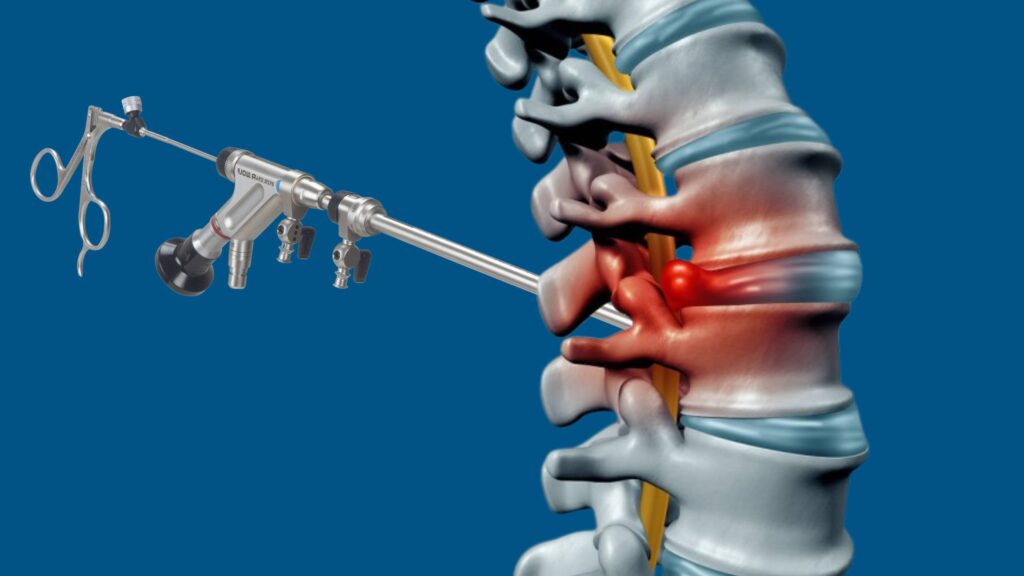
What Is Microscopic Discectomy / Decompression?
Microscopic discectomy is a surgical procedure in which a small portion of a herniated disc is removed using a surgical microscope to relieve pressure on the affected nerve.
Decompression refers to relieving pressure on the spinal cord or nerves by removing disc material, bone, or tissue causing compression. The procedure is typically performed through a small incision, minimizing damage to surrounding tissues.
Common Causes and Risk Factors
Herniated Disc
Bulging or ruptured disc pressing on nerve roots
Most common reason for surgery
Degenerative Disc Disease
Age-related wear and tear of spinal discs
Increased risk of disc herniation
Spinal Stenosis
Narrowing of the spinal canal
Compression of nerves
Injury or Trauma
Sudden strain or accidents affecting spinal discs
Repetitive Strain
Heavy lifting or repetitive movements stressing the spine
Call For More Info
+91. 85549 90487
Let’s Request a Schedule For Consultation
Common Symptoms of Nerve Compression
Pain Symptoms
Lower back or neck pain
Radiating pain to arms or legs (sciatica)
Neurological Symptoms
Numbness or tingling sensations
Muscle weakness in affected limbs
Mobility Issues
Difficulty bending, walking, or standing
Reduced physical activity
Advanced Symptoms
Severe nerve pain affecting daily life
Loss of coordination or function (in rare cases)
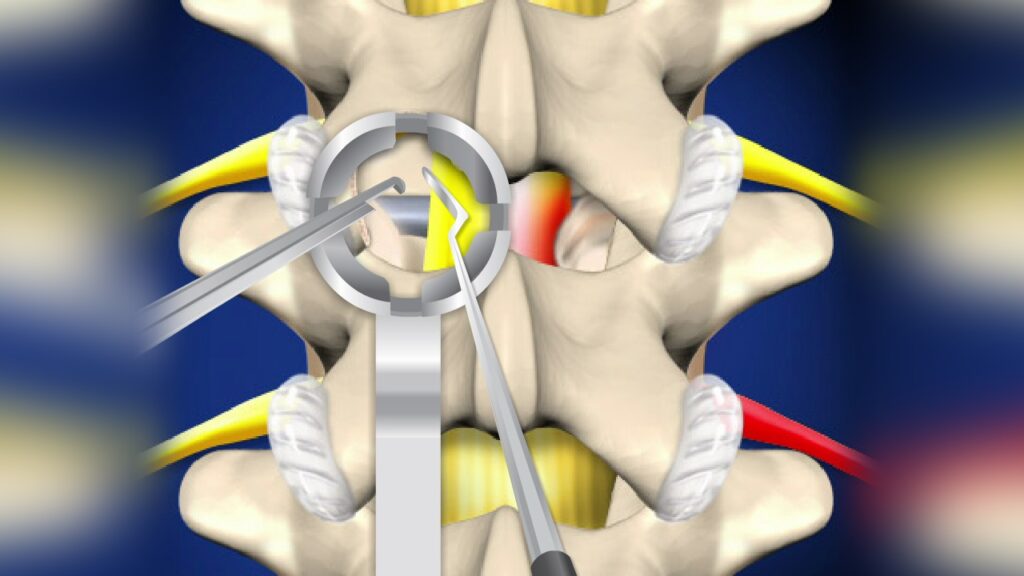
Common Approaches to Managing Microscopic Discectomy / Decompression Conditions
Conservative Management (In Mild Cases)
Pain relief medications
Physical therapy and strengthening exercises
Activity modification and rest
Surgical Management (Microscopic Discectomy / Decompression)
Removal of herniated disc material
Decompression of affected nerve
Minimally invasive microscopic technique
Smaller incision and faster recovery
Physiotherapy and Rehabilitation
Strengthening and flexibility exercises
Posture correction
Gradual return to normal activities
Monitoring and Follow-Up
Regular clinical evaluations
Monitoring symptom improvement
Adjusting rehabilitation plans
Lifestyle Modifications
Avoiding heavy lifting and strain
Maintaining proper posture
Regular exercise and weight management
Living Well After Microscopic Discectomy
Following rehabilitation guidelines
Staying active with guided exercises
Avoiding activities that strain the spine
Regular follow-up with your doctor
Final Note
Microscopic discectomy and decompression are highly effective procedures for relieving nerve compression with minimal disruption to surrounding tissues. With proper care, rehabilitation, and follow-up, most patients experience significant pain relief and improved mobility.
If you have persistent back or neck pain with nerve-related symptoms, consult a spine specialist for accurate diagnosis and appropriate treatment.

Trustindex verifies that the original source of the review is Google. Posted on GoogleTrustindex verifies that the original source of the review is Google. Posted on GoogleTrustindex verifies that the original source of the review is Google. GoodPosted on GoogleTrustindex verifies that the original source of the review is Google. Posted on GoogleTrustindex verifies that the original source of the review is Google.