
Spinal Rehabilitation & Minimally Invasive Surgery
Dr. Rajesh Parasnis - Best Spine Surgeon I Spine Surgery Expert
Dr. Rajesh Parasnis is a highly esteemed and accomplished Spine Surgeon, with over two decades of unparalleled expertise in diagnosing and treating complex spinal conditions.
Spinal Rehabilitation & Minimally Invasive Surgery: Comprehensive Spine Care for Faster Recovery
Spinal rehabilitation and minimally invasive surgery together form a modern approach to treating spine conditions with reduced pain, faster recovery, and improved outcomes. While minimally invasive surgery focuses on treating the problem with smaller incisions and less tissue damage, spinal rehabilitation ensures proper healing and restoration of function.
This combined approach helps patients return to normal activities more quickly while maintaining long-term spinal health.
This page explains what these treatments involve, their uses, symptoms, and common approaches to management.
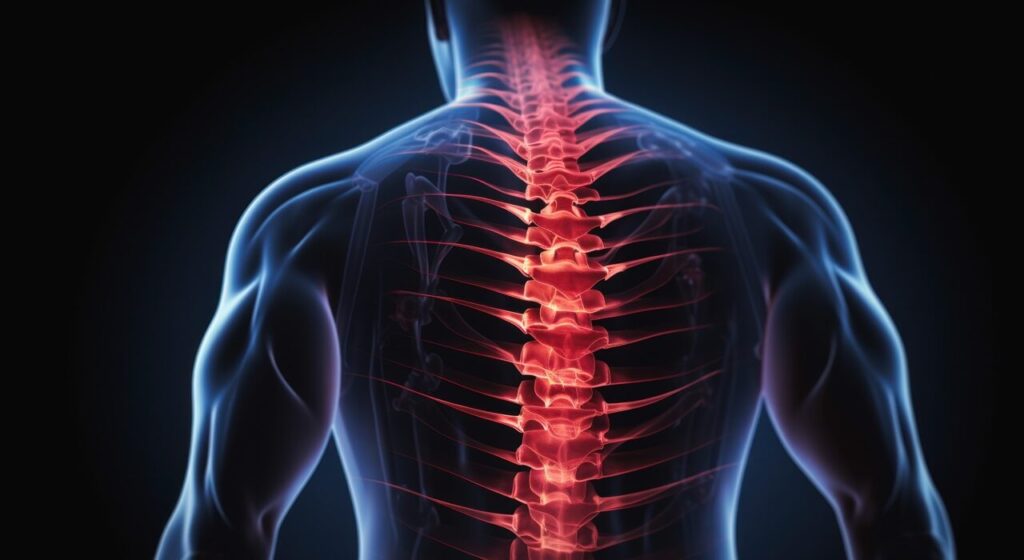
What Is Spinal Rehabilitation & Minimally Invasive Surgery?
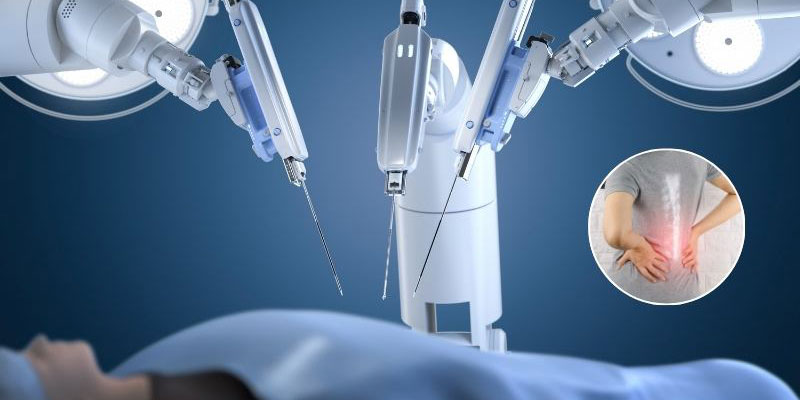
Minimally invasive spine surgery (MISS) uses advanced techniques and specialized instruments to treat spine conditions through small incisions, minimizing muscle damage and blood loss.
Spinal rehabilitation is a structured recovery program that includes physiotherapy, exercises, and lifestyle guidance to restore strength, mobility, and function after surgery or injury.
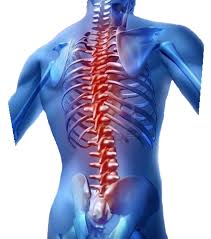
Common Causes and Risk Factors
Herniated Disc
Disc material pressing on nerves causing pain
Spinal Stenosis
Narrowing of the spinal canal leading to nerve compression
Degenerative Disc Disease
Age-related wear and tear of spinal discs
Sciatica
Nerve pain radiating from the lower back to the legs
Spinal Instability
Abnormal movement between vertebrae
Spinal Fractures
Injuries affecting spinal stability
Call For More Info
+91. 85549 90487
Let’s Request a Schedule For Consultation
Common Symptoms Indicating Need for Treatment
Pain Symptoms
Persistent neck or back pain
Pain radiating to arms or legs
Neurological Symptoms
Numbness or tingling
Muscle weakness
Nerve compression symptoms
Functional Limitations
Difficulty in daily activities
Reduced mobility and flexibility
Advanced Symptoms
Spinal instability
Progressive worsening of symptoms
Common Approaches to Managing These Conditions
Conservative Management (Before Surgery)
Medications for pain relief
Physiotherapy and guided exercises
Lifestyle and posture modifications
Minimally Invasive Surgical Treatment
Small incisions with minimal tissue damage
Reduced blood loss and faster recovery
Use of advanced imaging and navigation techniques
Shorter hospital stay and quicker return to activities
Spinal Rehabilitation Program
Customized physiotherapy plans
Strengthening and flexibility exercises
Posture correction and ergonomic training
Functional movement training
Post-Surgical Care
Pain management and wound care
Gradual increase in activity levels
Regular follow-up visits
Monitoring and Follow-Up
Continuous assessment of recovery
Adjustments in rehabilitation programs
Long-term monitoring of spinal health
Lifestyle Modifications
Maintaining proper posture
Regular physical activity
Avoiding heavy lifting and strain
Weight management
Final Note
Spinal rehabilitation combined with minimally invasive surgery offers an effective and patient-friendly approach to spine care. It not only treats the underlying condition but also ensures a smoother and faster recovery.
Consult a qualified spine specialist to determine the most appropriate treatment plan based on your individual condition and needs.

Trustindex verifies that the original source of the review is Google. Posted on GoogleTrustindex verifies that the original source of the review is Google. Posted on GoogleTrustindex verifies that the original source of the review is Google. GoodPosted on GoogleTrustindex verifies that the original source of the review is Google. Posted on GoogleTrustindex verifies that the original source of the review is Google.