
Lumbar Endoscopic Discectomy / Decompression
Dr. Rajesh Parasnis - Best Spine Surgeon I Scoliosis Surgery Expert
Dr. Rajesh Parasnis is a highly esteemed and accomplished Spine Surgeon, with over two decades of unparalleled expertise in diagnosing and treating complex spinal conditions.
Lumbar Endoscopic Discectomy / Decompression
Lumbar endoscopic discectomy or decompression is a minimally invasive spine procedure used to relieve pressure on spinal nerves in the lower back. It is commonly performed to treat conditions such as herniated discs and spinal stenosis that cause pain, numbness, or weakness in the legs.
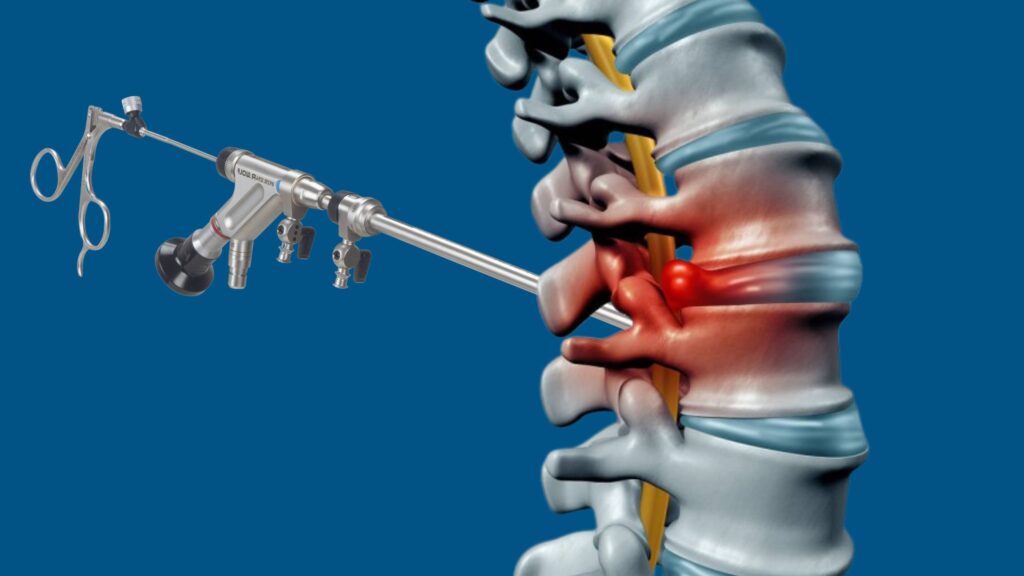
This advanced technique uses a small camera (endoscope) and specialized instruments inserted through a tiny incision, allowing surgeons to precisely remove the source of nerve compression with minimal damage to surrounding tissues.
The procedure is known for faster recovery, reduced pain, and shorter hospital stays compared to traditional open spine surgery.
What Is Lumbar Endoscopic Discectomy / Decompression?
This is a minimally invasive surgical procedure that involves removing part of a damaged disc or bone that is pressing on spinal nerves. The surgeon uses an endoscope to visualize the affected area and perform the procedure with high precision.
Depending on the condition, it may involve:
- Removal of herniated disc material (discectomy)
- Removal of bone or ligament causing nerve compression (decompression)
Common Causes and Risk Factors
Herniated Disc
- Disc material bulges or ruptures and presses on nearby nerves
- Common cause of sciatica
Spinal Stenosis
- Narrowing of the spinal canal
- Puts pressure on spinal cord or nerves
Degenerative Disc Disease
- Age-related wear and tear of spinal discs
- Leads to reduced disc height and nerve compression
Injury or Trauma
- Sudden strain or accidents affecting the lumbar spine
Poor Posture and Lifestyle
- Prolonged sitting and improper lifting techniques
- Weak core muscles increasing spinal stress
Call For More Info
+91. 85549 90487
Let’s Request a Schedule For Consultation
Common Symptoms
Early Symptoms
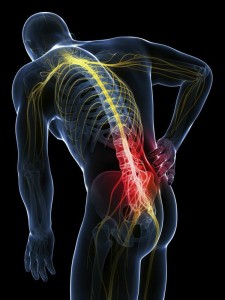
- Lower back pain
- Radiating pain to buttocks or legs
- Muscle tightness
Neurological Symptoms
- Numbness or tingling in legs or feet
- Weakness in lower limbs
- Sciatic pain (sharp, shooting pain down the leg)
Advanced Symptoms
- Difficulty walking or standing for long periods
- Loss of coordination
- Severe nerve compression symptoms
Common Approaches to Management
Conservative Management (In Mild Cases)
- Pain relief medications
- Physiotherapy and core strengthening exercises
- Lifestyle and posture correction
- Epidural steroid injections (if required)
Surgical Management (Endoscopic Procedure)
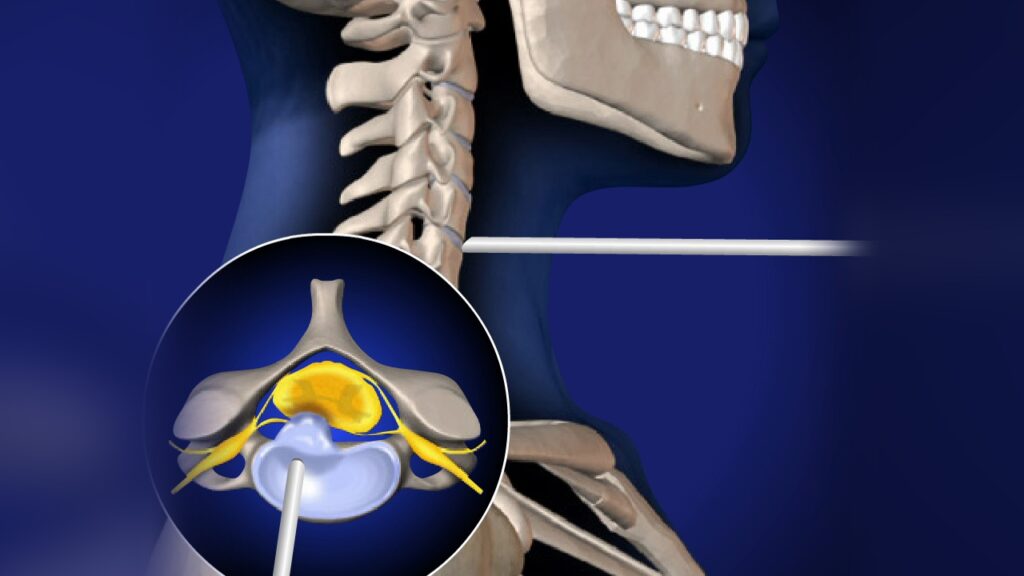
- Small incision-based minimally invasive technique
- Use of endoscope for precision and visualization
- Removal of disc fragments or compressive structures
- Minimal muscle and tissue disruption
Advantages of Endoscopic Spine Surgery
- Smaller incision and minimal scarring
- Less blood loss
- Reduced post-operative pain
- Faster recovery and early return to daily activities
- Short hospital stay or same-day discharge
Physiotherapy and Rehabilitation
- Gradual return to movement and activities
- Strengthening of back and core muscles
- Flexibility and posture training
Monitoring and Follow-Up
- Regular clinical evaluation
- Imaging if necessary
- Progress tracking and rehabilitation adjustments
Lifestyle Modifications
- Maintaining healthy body weight
- Avoiding heavy lifting and sudden movements
- Practicing good posture
- Regular exercise and stretching
Final Note
Lumbar endoscopic discectomy and decompression offer an effective and minimally invasive solution for relieving nerve compression in the lower spine. With proper patient selection, expert surgical care, and consistent rehabilitation, most patients experience significant pain relief and improved mobility.
If you have persistent lower back pain or symptoms radiating to your legs, consult a spine specialist for accurate diagnosis and personalized treatment.

Trustindex verifies that the original source of the review is Google. Posted on GoogleTrustindex verifies that the original source of the review is Google. Posted on GoogleTrustindex verifies that the original source of the review is Google. GoodPosted on GoogleTrustindex verifies that the original source of the review is Google. Posted on GoogleTrustindex verifies that the original source of the review is Google.