

Micro-endoscopic Tubular Decompression
Dr. Rajesh Parasnis - Best Spine Surgeon I Scoliosis Surgery Expert
Dr. Rajesh Parasnis is a highly esteemed and accomplished Spine Surgeon, with over two decades of unparalleled expertise in diagnosing and treating complex spinal conditions.
Micro-Endoscopic Tubular Decompression
Micro-endoscopic tubular decompression is a minimally invasive spine surgery designed to relieve pressure on spinal nerves caused by conditions such as spinal stenosis or disc herniation. This advanced technique uses a tubular retractor system along with an endoscope or microscope to access the spine through a small incision.
By minimizing muscle damage and preserving surrounding tissues, this procedure offers faster recovery, reduced pain, and improved outcomes compared to traditional open spine surgery.
It is commonly performed in the lumbar spine but may also be used in selected cervical or thoracic spine conditions.
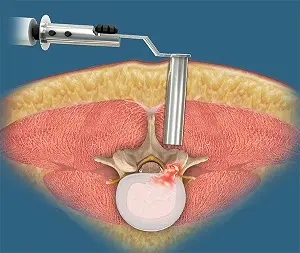
What Is Micro-Endoscopic Tubular Decompression?
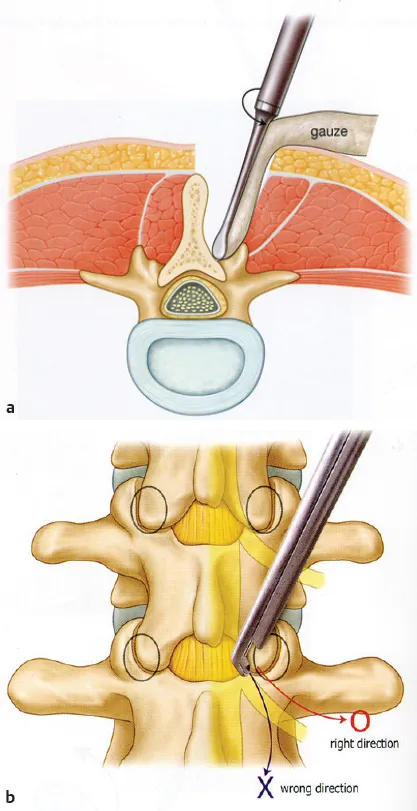
This procedure involves inserting a narrow tube (tubular retractor) through a small incision to create a pathway to the affected spinal area. Using an endoscope or microscope, the surgeon removes bone, ligament, or disc material that is compressing the nerves.
The goal is to decompress the spinal canal or nerve roots while maintaining spinal stability and minimizing tissue disruption.
Common Causes and Risk Factors
Spinal Stenosis
- Narrowing of the spinal canal
- Leads to compression of spinal nerves
Herniated Disc
- Bulging or ruptured disc pressing on nerve roots
Degenerative Spine Conditions
- Age-related changes in discs, joints, and ligaments
- Thickening of ligaments causing nerve compression
Facet Joint Hypertrophy
- Enlargement of facet joints leading to reduced space for nerves
Injury or Trauma
- Spinal injuries causing structural changes and nerve pressure
Poor Posture and Sedentary Lifestyle
- Weak core muscles and prolonged sitting
- Increased stress on the spine
Call For More Info
+91. 85549 90487
Let’s Request a Schedule For Consultation
Common Symptoms
Early Symptoms
- Localized back pain
- Stiffness and reduced flexibility
- Discomfort during movement
Neurological Symptoms
- Numbness or tingling in limbs
- Radiating pain (such as sciatica)
- Muscle weakness
Advanced Symptoms
- Difficulty walking or standing
- Loss of balance or coordination
- Severe nerve compression symptoms
Common Approaches to Management
Conservative Management (In Mild Cases)
- Pain medications
- Physiotherapy and strengthening exercises
- Lifestyle and posture correction
- Epidural steroid injections
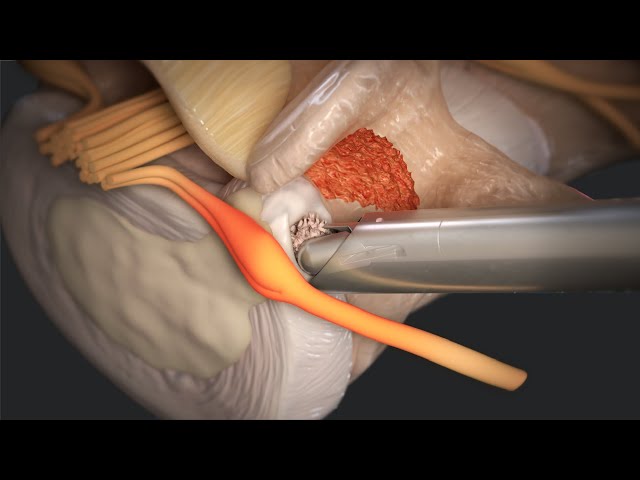
Surgical Management (Tubular Decompression)
- Use of tubular retractor system for minimal access
- Endoscopic or microscopic visualization
- Removal of compressive bone, ligament, or disc material
- Preservation of normal spinal structures
Advantages of Micro-Endoscopic Tubular Decompression
- Very small incision
- Minimal muscle damage
- Reduced blood loss
- Less post-operative pain
- Shorter hospital stay
- Faster recovery and return to daily activities
Physiotherapy and Rehabilitation
- Early mobilization after surgery
- Strengthening of core and back muscles
- Flexibility and posture improvement
Monitoring and Follow-Up
- Regular clinical assessments
- Imaging if required
- Tracking healing and functional recovery
Lifestyle Modifications
- Maintaining proper posture
- Avoiding heavy lifting
- Regular physical activity
- Weight management
Final Note
Micro-endoscopic tubular decompression is an effective and minimally invasive option for relieving nerve compression in the spine. With precise surgical technique, proper rehabilitation, and lifestyle care, patients can achieve significant pain relief and improved mobility.
If you are experiencing persistent back pain or nerve-related symptoms, consult a spine specialist for accurate diagnosis and personalized treatment options.

Trustindex verifies that the original source of the review is Google. Posted on GoogleTrustindex verifies that the original source of the review is Google. Posted on GoogleTrustindex verifies that the original source of the review is Google. GoodPosted on GoogleTrustindex verifies that the original source of the review is Google. Posted on GoogleTrustindex verifies that the original source of the review is Google.