

Minimal Invasive Fixation for Vertebral Fractures
Dr. Rajesh Parasnis - Best Spine Surgeon I Scoliosis Surgery Expert
Dr. Rajesh Parasnis is a highly esteemed and accomplished Spine Surgeon, with over two decades of unparalleled expertise in diagnosing and treating complex spinal conditions.
Minimal Invasive Fixation for Vertebral Fractures
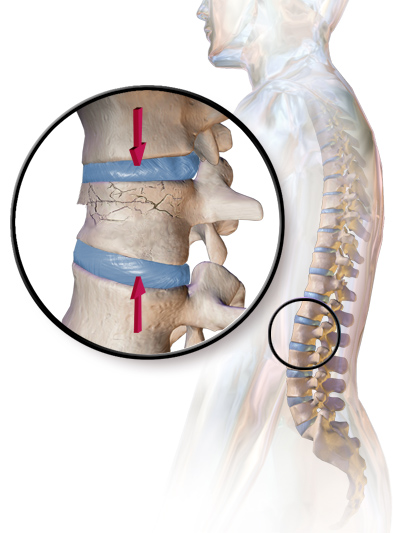
Minimally invasive fixation for vertebral fractures is an advanced spine procedure designed to stabilize broken or weakened vertebrae using small incisions and specialized surgical techniques. It is commonly used for traumatic fractures, osteoporotic compression fractures, and certain pathological fractures affecting the spine.
This approach helps restore spinal stability, reduce pain, and prevent further damage to the spinal cord or surrounding nerves, while minimizing tissue disruption compared to traditional open surgery.
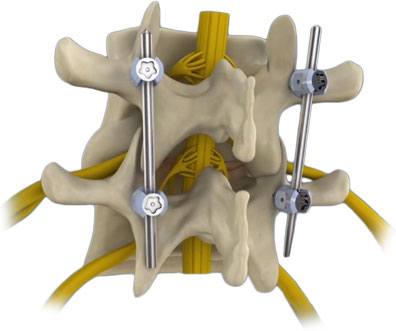
With the use of modern imaging guidance and instrumentation, surgeons can accurately place implants such as screws and rods through small incisions, leading to faster recovery and improved outcomes.
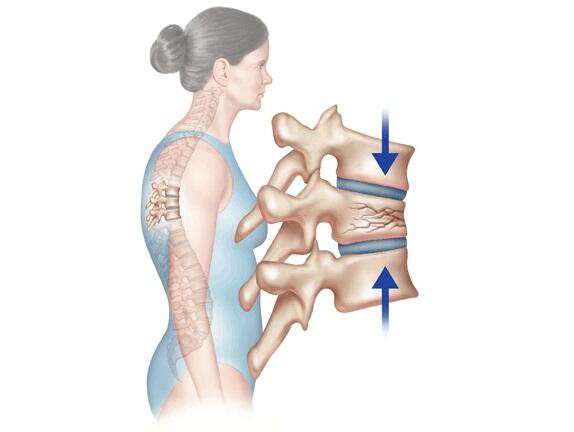
What Is Minimally Invasive Fixation for Vertebral Fractures?
This procedure involves stabilizing fractured vertebrae using percutaneous (through the skin) techniques. Small incisions are made to insert screws, rods, or other fixation devices to support the spine and allow proper healing.
In some cases, additional techniques such as vertebroplasty or kyphoplasty may be used to restore vertebral height and strengthen the bone.
Common Causes and Risk Factors
Trauma and Injury
- Road accidents, falls, or sports injuries
- High-impact forces causing vertebral fractures
Osteoporosis
- Weakening of bones due to reduced bone density
- Common in elderly individuals
Tumors or Metastasis
- Cancer spreading to the spine
- Weakens vertebrae and increases fracture risk
Infections
- Spinal infections weakening bone structure
Degenerative Conditions
- Age-related wear and tear affecting spinal strength
Call For More Info
+91. 85549 90487
Let’s Request a Schedule For Consultation
Common Symptoms
Early Symptoms
- Sudden or severe back pain
- Pain worsens with movement
- Localized tenderness
Neurological Symptoms
- Numbness or tingling in limbs
- Weakness in arms or legs
- Nerve-related pain
Advanced Symptoms
- Difficulty walking or standing
- Spinal deformity (such as kyphosis)
- Loss of bladder or bowel control (in severe cases)
Common Approaches to Managing Sciatica
Conservative Management (In Stable Fractures)
- Bed rest and activity modification
- Pain management medications
- Bracing to support the spine
- Physiotherapy after initial healing
Surgical Management (Minimally Invasive Fixation)
- Percutaneous placement of screws and rods
- Use of imaging guidance for precision
- Stabilization of fractured vertebrae
- May be combined with vertebroplasty or kyphoplasty
Advantages of Minimally Invasive Fixation
- Smaller incisions and minimal scarring
- Reduced blood loss
- Less muscle damage
- Shorter hospital stay
- Faster recovery and early mobilization
Physiotherapy and Rehabilitation
- Gradual return to movement
- Strengthening of back and core muscles
- Posture correction and balance training
Monitoring and Follow-Up
- Regular imaging to assess healing
- Clinical evaluation of stability and function
- Adjustment of rehabilitation plan
Lifestyle Modifications
- Maintaining bone health (calcium and vitamin D)
- Avoiding heavy lifting and high-risk activities
- Regular exercise to improve strength and balance
- Fall prevention strategies
Final Note
Minimally invasive fixation for vertebral fractures provides a safe and effective way to stabilize the spine while minimizing surgical trauma. With timely intervention, proper care, and rehabilitation, patients can achieve pain relief, improved mobility, and better quality of life.
If you experience severe back pain following an injury or have risk factors such as osteoporosis, consult a spine specialist for prompt diagnosis and appropriate treatment.

Trustindex verifies that the original source of the review is Google. Posted on GoogleTrustindex verifies that the original source of the review is Google. Posted on GoogleTrustindex verifies that the original source of the review is Google. GoodPosted on GoogleTrustindex verifies that the original source of the review is Google. Posted on GoogleTrustindex verifies that the original source of the review is Google.